

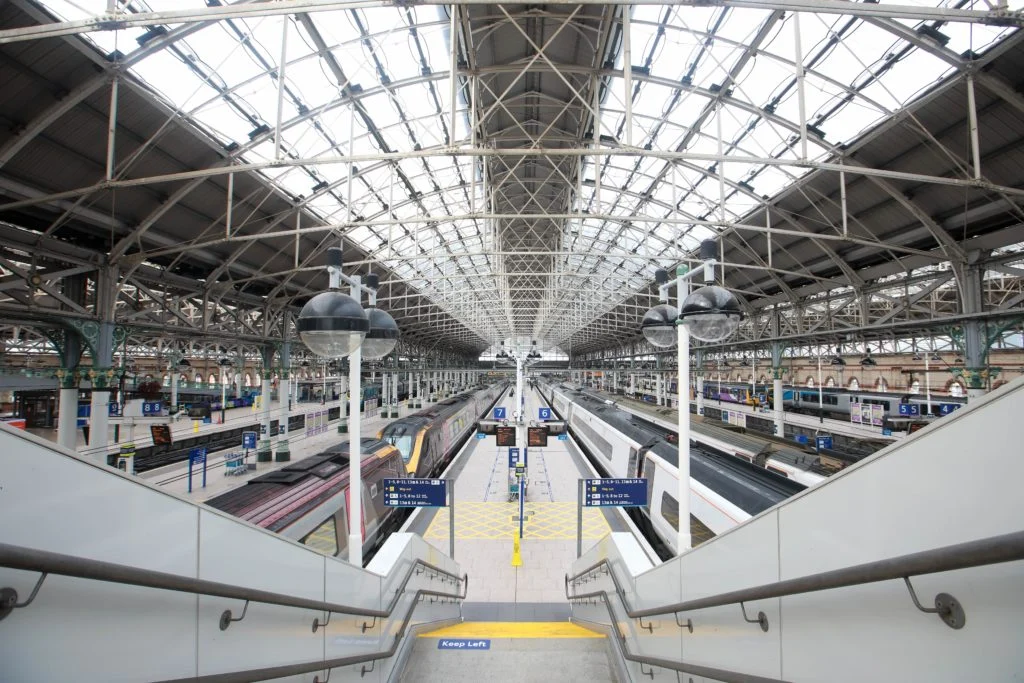
Transport for the North (TfN) has officially unveiled its "Connected Mobility Strategy," a transformative blueprint designed to dismantle the fragmented nature of travel across Northern England. By prioritizing seamless integration, digital innovation, and passenger-centric policy, the strategy seeks to unify the region’s diverse transport network into a cohesive, user-friendly ecosystem. This ambitious move marks a pivotal shift in how the North approaches regional mobility, aiming to move away from siloed operations toward a future of multi-modal, technology-driven transport.
The Core Mandate: Transforming the Passenger Journey
At its heart, the Connected Mobility Strategy is a response to the long-standing challenges of regional travel in the North: complex ticketing structures, lack of information transparency, and physical disconnection between transport modes. The strategy serves as a framework to harmonize these elements, ensuring that whether a passenger is boarding a bus in a rural village or catching a train from a major hub like Manchester Piccadilly, the process is consistent, intuitive, and efficient.
The strategy centers on three foundational pillars:
- The Future of Ticketing: Moving toward a region-wide, multi-modal payment system that prioritizes simplicity.
- Data and Infrastructure: Establishing a robust digital foundation to support real-time information sharing and system interoperability.
- Future Mobility: Proactively adapting to changing travel habits and integrating emerging transport technologies into the existing public network.
Chronology: The Road to a Connected North
The Legacy of Fragmentation
For decades, the North of England has struggled with the "last mile" problem and the "inter-operator" dilemma. Passengers frequently navigated multiple apps, paper tickets, and distinct payment systems to complete a single journey. This fragmentation served as a significant barrier to public transport adoption, with commuters often favoring private vehicle travel for the sake of simplicity.
2021–2022: Laying the Groundwork
Recognizing these systemic inefficiencies, TfN began consultative processes with regional authorities, operators, and technology stakeholders. The focus was on identifying how digital integration could alleviate the friction caused by the region’s diverse geography and multi-layered governance.
Late 2023: The Strategy Unveiled
In November 2023, following extensive stakeholder engagement, TfN formally launched the Connected Mobility Strategy. This launch represents the culmination of years of advocacy for a unified digital transport architecture, positioning the North as a leader in regional transport integration.
Supporting Data and Regional Context
The necessity for this strategy is underscored by compelling data regarding the North’s economic and environmental landscape.
- Congestion Costs: Current data suggests that inefficient transit systems contribute to significant economic drag. By encouraging a modal shift from private cars to public transit, the region aims to reduce congestion that costs the Northern economy billions in lost productivity annually.
- Environmental Imperatives: With the UK government’s Net Zero targets looming, the North is under pressure to reduce carbon emissions. Public transport remains the most effective tool for decarbonization. The strategy’s focus on "making public transport more appealing" is intrinsically linked to the region’s goal of a greener, more sustainable future.
- Public Sentiment: Passenger surveys conducted by TfN consistently indicate that the primary deterrents to public transport usage are cost uncertainty and the complexity of multi-modal transfers. The introduction of "Pay-As-You-Go" (PAYG) systems is directly responsive to these consumer pain points.
Official Perspectives: A Vision for Change
Martin Tugwell, Chief Executive at Transport for the North, emphasized that the strategy is not merely a policy document, but an empowerment tool for local authorities.
"We’re delighted to launch our Connected Mobility Strategy which builds on, and empowers, local successes and decision-making in delivering more connected journeys," Tugwell stated. "The way people travel from point A to point B is changing, and the strategy will go a long way towards giving passengers better information on their travel choices."
Tugwell’s remarks highlight a critical aspect of the strategy: subsidiarity. Rather than imposing a top-down mandate, the strategy provides the infrastructure and policy guidance for local leaders to tailor solutions to the specific needs of their communities, whether they be in the bustling urban centers of Leeds and Manchester or the more remote areas of the Lake District and the North East.
Implications: The Future of Northern Travel
Implementing Dynamic Pay-As-You-Go (PAYG)
Perhaps the most visible implication of the new strategy is the shift toward dynamic, region-wide PAYG ticketing. By mimicking the success of systems like London’s Oyster or Contactless, the North aims to offer passengers the ability to tap in and tap out across buses, trains, and trams without the need to purchase individual tickets beforehand. This technological leap removes the "barrier to entry" that often discourages tourists and infrequent travelers from using public networks.
Digital Infrastructure as a Utility
The strategy elevates digital infrastructure to the same level of importance as physical infrastructure like tracks and roads. TfN argues that without a unified data backbone, innovation is impossible. By investing in the digital tools that power real-time journey planning, the region ensures that passengers are never left in the dark regarding delays, cancellations, or service changes.
Economic and Social Inclusivity
A better-connected North is an inclusive North. The strategy acknowledges that transport is a gateway to employment, education, and healthcare. By making public transport more affordable and accessible, the strategy directly targets the social mobility gap. Integrated ticketing often allows for "capping," where passengers never pay more than the daily or weekly maximum, a crucial feature for low-income commuters.
Challenges Ahead: Funding and Cooperation
While the vision is ambitious, its success relies heavily on two factors: sustained regional funding and multi-agency cooperation.
The Funding Gap
TfN has made a "strong case" for better-structured regional funding. Critics have noted that while the vision for integrated transport is sound, the cost of retrofitting existing, aging infrastructure with modern digital sensors and payment hardware is significant. The strategy calls upon the national government to provide the necessary fiscal support to ensure the North does not fall behind other global city-regions that have already implemented similar smart-mobility solutions.
Navigating the Multi-Operator Landscape
The North’s transport network is served by a complex tapestry of private bus operators and national rail franchises. Integrating these diverse entities into a single payment ecosystem requires high levels of commercial cooperation. The strategy acts as the "glue" that brings these parties to the table, but the actual implementation will require delicate negotiations to ensure that revenue-sharing models remain equitable for all stakeholders.
Conclusion: A New Era for the North
The Connected Mobility Strategy is more than a technical upgrade; it is a declaration of intent. It signifies the North of England’s commitment to modernizing its infrastructure to match its economic ambitions. By focusing on the passenger experience—simplifying the journey, providing accurate data, and ensuring affordability—Transport for the North is setting the stage for a dramatic increase in public transport usage.
As the region moves toward implementation, the focus will shift from high-level policy to granular, project-based delivery. If successful, the strategy will not only solve the immediate frustrations of commuters but will also serve as a blueprint for other regions aiming to achieve true transport integration in an era of rapid digital transformation.
The North is a region with deep industrial heritage, but through this strategy, it is clearly positioning itself as a future-facing leader in the global mobility revolution. As Martin Tugwell noted, the way people travel is changing; with the Connected Mobility Strategy, the North is ensuring it is not just keeping pace with that change, but actively shaping it.

