

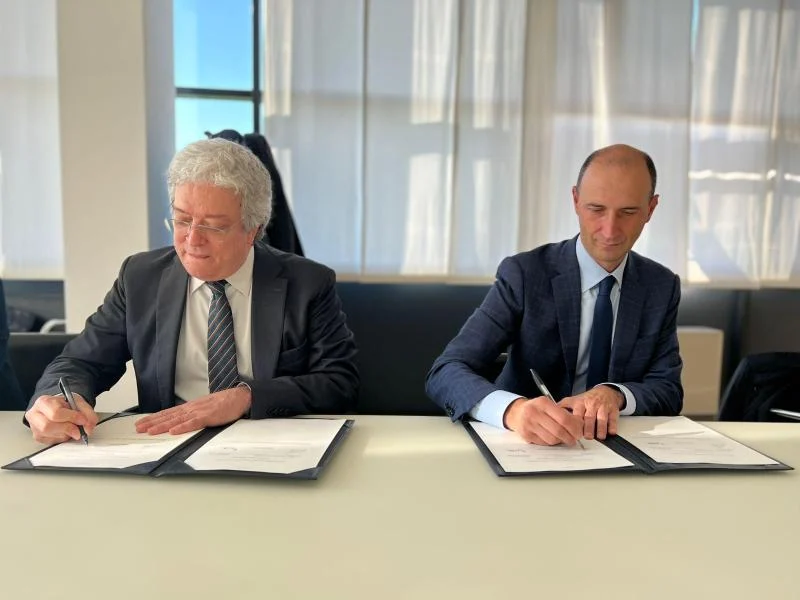
In a significant move toward sustainable urban development, the European Investment Bank (EIB) has finalized a EUR 43.5 million loan agreement with APS Holding, the municipal transport authority of Padua. This financial injection is earmarked for the dual purpose of constructing the new SIR3 tram line—a critical infrastructure project for the city’s south-eastern corridor—and modernizing the existing North/South SIR1 tram line. With a total estimated project value of EUR 105 million, the initiative represents one of the most comprehensive upgrades to Italian public transportation in recent years.
The financing package is split into two strategic tranches: EUR 34 million dedicated to the development of the SIR3 line, and an optional EUR 9.5 million available to APS Holding for the comprehensive revamping of the SIR1 line, exercisable within a two-year window. This project is not merely an isolated construction effort; it is a linchpin of the broader SMART (System of Mobility for the Tram Network) initiative, which aims to redefine how citizens move through the historic streets of Padua.
Main Facts: The Scope of the SIR3 Expansion
The SIR3 tram line is designed to be a 5.5-kilometer artery that will fundamentally alter the connectivity of Padua’s south-eastern districts. Starting in Voltabarozzo, the line will track toward the city’s central railway station, providing a high-capacity, low-emission link for commuters, students, and tourists alike.
Key components of the SIR3 project include:
- Infrastructure Connectivity: The 5.5 km route will feature 13 new stops, strategically located to maximize accessibility.
- Logistical Hubs: The project includes the construction of a brand-new depot in Voltabarozzo to support fleet operations.
- Intermodal Integration: A significant component of the plan is the creation of a park-and-ride facility offering 383 parking spaces. This facility is designed to intercept suburban traffic before it enters the city center, significantly reducing congestion and carbon emissions.
- Strategic Access: By connecting the south-east to the central railway station, the line will also serve as a vital lifeline for the city’s major hospital complex, ensuring that patients and medical staff have reliable, efficient transit options.
Chronology: From Concept to Construction
The evolution of Padua’s tram network is a multi-year journey involving rigorous planning, international financial negotiation, and long-term urban strategy.
The Foundation (2021)
The groundwork for this investment was laid in December 2021, when the EIB and APS Holding solidified their partnership through the ELENA (European Local Energy Assistance) Programme. This agreement provided EUR 1.6 million in non-repayable technical assistance, specifically to develop innovative, integrated mobility solutions. This phase was crucial for determining the feasibility and environmental impact of the tram expansion.
The Financial Agreement (2023)
The formalization of the EUR 43.5 million loan in early 2023 marked the transition from planning to execution. This period involved intensive negotiations, where Sinloc S.p.A. played a pivotal role as a technical advisor, assisting APS Holding in the complex application, configuration, and negotiation procedures required to secure backing from both the EIB and relevant guarantors.
Implementation and Future Milestones (2025–2026)
- 2025: The anticipated opening of the SIR3 line. This will mark the first time the new corridor becomes fully operational, linking the south-east to the city heart.
- 2026: The scheduled completion of the SIR1 line modernization. This will include the full integration of next-generation battery technology and the expansion of the Guizza depot, ensuring the existing fleet is modernized to meet modern energy standards.
Supporting Data: Modernization and Technical Innovation
The funding is not limited to laying tracks; it represents a technological leap for Padua’s transit fleet. A core objective of the EUR 9.5 million optional tranche is the upgrade of the rolling stock on the existing SIR1 line.
Next-Generation Battery Technology
APS Holding is moving toward a more flexible and resilient tram system. The investment will enable the implementation of advanced battery storage solutions on the rolling stock. These batteries allow for greater autonomy, enabling trams to operate in sections without overhead wires. This is not only an aesthetic benefit for the historic city center—preserving the skyline—but a functional one, as it reduces the maintenance costs associated with overhead electrification infrastructure.
The SMART Project Context
The SIR3 is a major piece of the "SMART" (Tram Network Mobility System) puzzle. This master plan envisions a three-line network that will eventually extend to the neighboring municipalities of Vigonza and Rubano. By creating a grid-like structure, the SMART project aims to transform the tram into the primary mode of transport for the entire metropolitan area, significantly reducing the reliance on private vehicles.

Official Responses and Strategic Partnerships
The success of this funding application underscores the efficacy of public-private cooperation and the importance of technical consultancy.
APS Holding’s success in securing these funds was significantly bolstered by the expert intervention of Sinloc S.p.A., an investment and consulting firm specializing in public infrastructure. Sinloc provided the necessary oversight during the application process, ensuring that all contractual, legal, and financial requirements of the EIB were met.
The EIB, in turn, has framed this investment as part of its mandate to promote green, sustainable, and efficient urban transportation within the European Union. By supporting the transition away from internal combustion engines toward electric, high-capacity tramways, the EIB is directly contributing to the EU’s Green Deal objectives.
Implications: A Greener, More Accessible Future
The implications for the city of Padua are profound, touching on environmental, economic, and social spheres.
Environmental Impact
By facilitating a shift from private car usage to electric tramways, the project will lead to a measurable decrease in nitrogen oxide (NOx) emissions and particulate matter in the city’s air. The inclusion of a 383-space park-and-ride facility is specifically engineered to mitigate the "last-mile" problem, encouraging suburban commuters to switch to public transit before entering the congested city core.
Economic and Social Mobility
The extension of the tram line to the hospital complex is a matter of social equity. Ensuring that the most vital public services—healthcare and transit—are linked by high-frequency, reliable transport improves the quality of life for all citizens, particularly the elderly and those with limited mobility. Furthermore, the construction and operation of the SIR3 line will create local jobs, stimulating the regional economy.
Challenges and Future Considerations
While the project is ambitious, its success depends on the seamless integration of the new SIR3 line with the existing SIR1 and the future suburban lines. The complexity of construction in a city as historic as Padua requires meticulous project management to minimize disruption to residents and businesses.
However, with the backing of the EIB and the strategic guidance of experts like Sinloc, the municipality of Padua is well-positioned to meet these challenges. The transition to a "tram-centric" city is a long-term commitment that, once realized, will serve as a model for other mid-sized European cities looking to balance historical preservation with modern infrastructure needs.
Conclusion
The investment of EUR 43.5 million into Padua’s tram infrastructure is a testament to the city’s forward-thinking urban policy. By prioritizing the SIR3 expansion and the modernization of the SIR1, APS Holding is effectively creating the backbone of a sustainable metropolitan future. As the construction sites begin to take shape and the technological upgrades commence, Padua stands on the cusp of a transit revolution that will benefit its inhabitants for decades to come, setting a clear path toward a quieter, cleaner, and more connected urban environment.

