

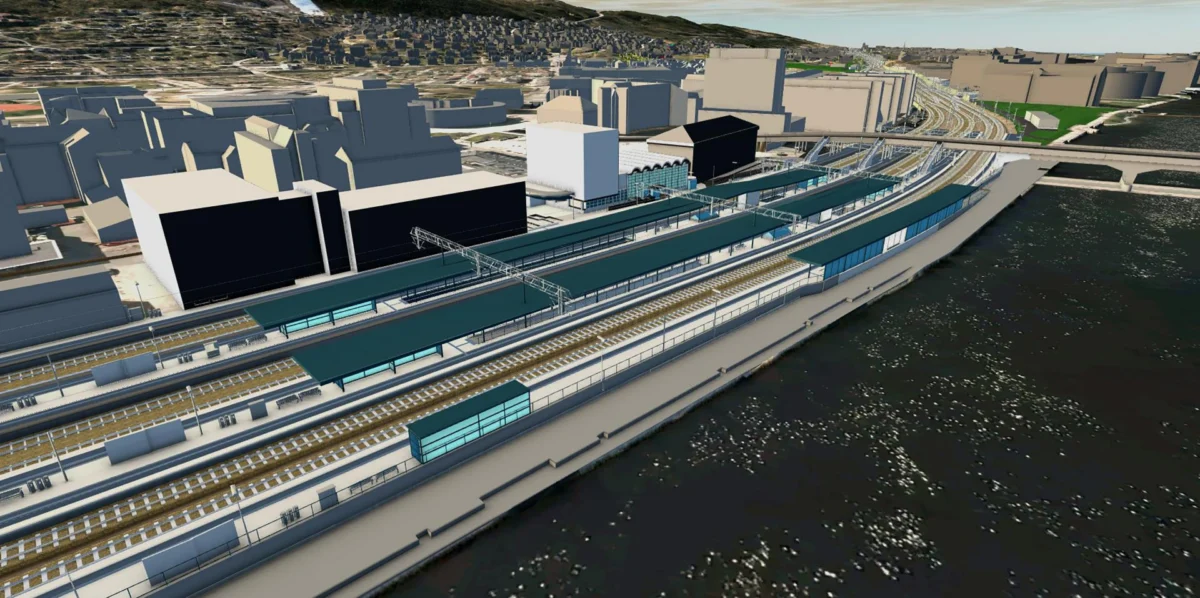
In a significant move to bolster both national infrastructure and the domestic construction sector, Bane NOR, Norway’s state-owned railway infrastructure manager, has officially launched a trio of high-value tenders for the Vestfold Line. Valued at NOK 2 billion (approximately EUR 180.9 million), these contracts represent a pivotal phase in the ongoing effort to modernize Eastern Norway’s rail network. By accelerating the procurement process, Bane NOR aims to provide a stabilizing stimulus to the Norwegian economy amidst the broader uncertainties of the global pandemic era, while simultaneously pushing forward the nation’s ambitious transit goals.
Main Facts: The Scope of the Investment
The Vestfold Line project is a cornerstone of Norway’s strategy to enhance mobility in the country’s most densely populated region. The latest tenders focus specifically on the Drammen–Kobbervikdalen section, a critical bottleneck that is being transformed into a double-track corridor.
The scope of the three primary contracts is expansive, covering everything from civil engineering to complex technological integration:
- Contract One: Station and Civil Works: This package includes the comprehensive reconstruction of Drammen station and significant upgrades to the Bybrua station. Additionally, it encompasses extensive road repair and utility relocation work required to facilitate the heavy construction phase of the rail project.
- Contract Two: Track and Electrification: This contract focuses on the core rail infrastructure, involving the physical installation of track systems and the overhead catenary lines necessary for electric train operations.
- Contract Three: Technical Infrastructure: The final package covers the installation of advanced electrical systems and telecommunications infrastructure, ensuring that the new double-track section is equipped with modern signaling and safety protocols.
These contracts are expected to be awarded and finalized by the first quarter of 2021, with physical construction activities slated to commence in the spring of the same year.
Chronology: A Roadmap to Completion
The development of the Vestfold Line is not a singular event but a multi-year phased strategy. The current focus on the Drammen–Kobbervikdalen stretch is part of a much larger, 270-km track-doubling program across Eastern Norway (Østlandet).
The Historical Context
For years, the Vestfold Line has suffered from capacity constraints that limited the frequency and speed of commuter services. Recognizing the demographic pressure on the region, the Norwegian government prioritized the doubling of tracks to accommodate the growing number of daily commuters traveling into Oslo.
Current Progress
Work is already well underway in the city of Drammen, where the station is undergoing a transformation to serve as a high-capacity hub. A central feature of this project is the construction of a 10-km double-track line, of which 7 km will run through a new tunnel beneath Strømsåsen. This tunnel represents a major engineering feat, designed to bypass existing limitations and allow for faster, more reliable transit.
Future Milestones
- 2021: Finalization of the three new contracts and commencement of site works.
- 2024: Anticipated project completion date.
- Post-2024: Full operational integration, allowing for up to four trains per hour in each direction on the Oslo–Tønsberg route.
Supporting Data: Economic and Operational Impact
The strategic importance of the Vestfold Line cannot be overstated. With 1.5 million inhabitants living within the project’s catchment area, the economic and environmental ramifications are profound.
Capacity and Efficiency
Currently, the Vestfold Line struggles to maintain the level of service required by a modern, growing population. The completion of the double-track project is expected to double current capacity. By allowing four trains per hour per direction, the project transforms rail travel from a "scheduled necessity" into a "frequent service" model, which is essential for encouraging commuters to shift away from private automobile use.
Environmental Stewardship
Norway has set aggressive targets for reducing carbon emissions in the transport sector. Rail is the cornerstone of this strategy. By providing a more efficient, high-speed, and reliable alternative to road travel, the Vestfold Line will serve as a catalyst for sustainable development. Each train journey replaces dozens of individual vehicle trips, significantly reducing the carbon footprint of the thousands of commuters traveling between Tønsberg and the capital.

Official Responses: Bane NOR’s Strategic Vision
The decision to move forward with these tenders during a period of global economic volatility was a deliberate strategic choice by Bane NOR’s leadership.
Gorm Frimannslund, CEO of Bane NOR, emphasized the dual purpose of the tender process. "The development division has long worked with the goal of getting these three contracts to the market in the spring of 2020," he stated. However, he acknowledged that the context of the COVID-19 pandemic added a new layer of urgency. "With the corona crisis now affecting business, we see that this will at the same time be an important contribution to keep activity in the market."
By maintaining the project schedule, Bane NOR is effectively signaling confidence in the Norwegian construction industry. Providing a steady pipeline of work during a potential economic downturn is a form of counter-cyclical investment, ensuring that skilled labor and engineering firms remain active, which in turn supports thousands of jobs across the region.
Implications: Building the Future of Norwegian Transit
The implications of the Vestfold Line project extend far beyond the immediate construction sites in Drammen.
Economic Development and Regional Connectivity
Improved rail infrastructure is a primary driver of regional economic growth. By connecting Tønsberg and its surrounding municipalities more efficiently to Oslo, the project effectively expands the labor market, allowing people to live further from the city center while still enjoying a reasonable commute. This "decentralized growth" model is essential for a country like Norway, where geographic constraints often limit urban expansion.
Long-term Punctuality and Reliability
One of the most frequent complaints regarding the current rail network is the lack of punctuality caused by single-track sections where trains must wait for oncoming traffic. The double-track configuration eliminates these "wait-states," creating a robust network that is far more resilient to delays. If a minor technical issue occurs on one track, the second track can often be utilized to maintain service, preventing the cascading delays that currently plague the system.
A Model for Future Infrastructure
The Vestfold project serves as a blueprint for future infrastructure developments in Norway. By integrating civil, electrical, and telecommunications contracts into a cohesive project management structure, Bane NOR is refining its procurement and delivery model. The lessons learned from the Strømsåsen tunnel and the Drammen station overhaul will be invaluable as Norway continues its long-term plan to modernize its entire national railway network.
Conclusion
The NOK 2 billion investment into the Vestfold Line is more than just an infrastructure project; it is a commitment to the long-term sustainability and economic health of Eastern Norway. Through careful planning, strategic procurement, and a clear vision for the future, Bane NOR is ensuring that the rail network of tomorrow is ready to meet the demands of a growing, environmentally conscious society.
As the construction phase enters its most intensive period in 2021, the focus will shift from planning to performance. If the past progress in Drammen is any indication, the citizens of Norway can look forward to a faster, cleaner, and more reliable transit experience by 2024—a testament to the power of state-backed investment in public infrastructure.

