

In a landmark development for Latin American infrastructure, Siemens Mobility, in a strategic consortium with Sonda México SA de CV, has been awarded a major signaling contract to modernize the rail corridor connecting Mexico City, Querétaro, and Irapuato. This project represents a pivotal shift in Mexico’s national transport strategy, transitioning from a freight-heavy network toward a high-efficiency, technology-driven passenger rail system.
The project, which spans over 300 kilometers and includes 11 key passenger stations, is more than just a technological upgrade; it is a foundational pillar of the Mexican federal government’s initiative to revitalize passenger rail travel across the republic. By implementing the European Train Control System (ETCS) Level 1 and advanced scheduling software, the project aims to set a new benchmark for safety, reliability, and regional connectivity.
1. Main Facts: The Scope of a Digital Transformation
The contract awarded to the Siemens-Sonda consortium is multifaceted, targeting both the physical infrastructure and the digital "brain" of the rail network. The scope of work is designed to transform the Bajío region—one of Mexico’s most critical economic engines—into a hub of modern mobility.
Key Project Components
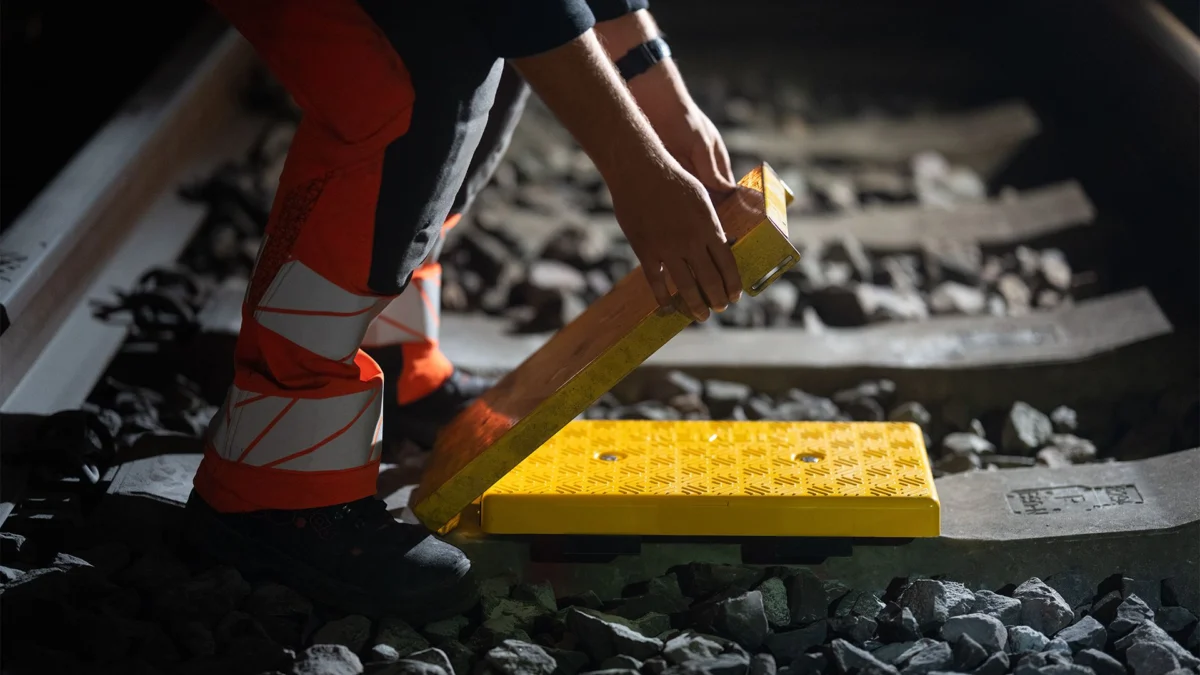
- ETCS Level 1 Implementation: This marks the debut of the European Train Control System in Mexico. ETCS Level 1 is a signaling and control system that ensures train safety by monitoring speeds and braking distances via trackside "balises" (electronic beacons).
- TPS.plan Software Integration: Developed by Siemens’ subsidiary HaCon, this high-performance train scheduling system will be used for the first time in Latin America. It allows for the creation of conflict-free, optimized timetables.
- Operational Control Center (OCC): Siemens will deliver a centralized hub for monitoring all rail movements, equipped with a comprehensive backup system to ensure 24/7 operational continuity.
- SCADA Systems: The Supervisory Control and Data Acquisition system will provide real-time monitoring and control of the rail’s power and technical infrastructure.
- Consortium Synergy: While Siemens Mobility handles the high-tech signaling and software, Sonda México will spearhead the telecommunications infrastructure, CCTV security systems, and essential civil works.
The corridor itself is a vital artery, connecting the capital, Mexico City, with the states of Hidalgo, Querétaro, and Guanajuato. With 11 stations planned, the project seeks to bridge the gap between urban centers and industrial zones, facilitating the movement of thousands of daily commuters.
2. Chronology: The Revival of Mexican Passenger Rail
To understand the significance of this contract, one must look at the broader timeline of Mexico’s rail evolution. For decades, the Mexican rail network was almost exclusively the domain of heavy freight, following the privatization of the industry in the late 1990s.
The Shift Toward Passenger Rail
- 2014 – The Precursor: A high-speed rail project between Mexico City and Querétaro was initially proposed but later shelved due to budgetary constraints and administrative changes. This left a void in the country’s transport master plan for nearly a decade.
- 2018–2024 – The National Transformation: Under the administration of President Andrés Manuel López Obrador, the focus returned to passenger rail, most notably with the "Tren Maya" and the "Interoceanic Corridor."
- 2024 and Beyond – The Sheinbaum Mandate: President Claudia Sheinbaum has identified the Mexico City–Querétaro–Irapuato route as a top priority for her administration’s "Prosperity with Welfare" agenda. The goal is to build over 3,000 kilometers of new passenger rail lines.
- Present Day – The Contract Award: The selection of Siemens Mobility and Sonda México serves as the formal commencement of this specific corridor’s modernization. This project is the first major signaling contract awarded under this new wave of federal rail expansion that specifically utilizes European-standard ETCS technology.
3. Supporting Data: The Technology Behind the Corridor
The modernization of the 300km corridor is driven by data-centric technologies that aim to eliminate the inefficiencies of legacy systems.
ETCS Level 1: A Safety Benchmark
ETCS Level 1 is an "intermittent" cab signaling system. Unlike traditional "fixed-block" signaling where drivers rely on trackside lights, ETCS communicates directly with the train’s onboard computer.
- Safety: It prevents human error by automatically applying brakes if a train exceeds the permitted speed or approaches a restricted zone.
- Efficiency: It allows for shorter intervals between trains (headways), effectively increasing the capacity of the 300km line without laying additional tracks.
TPS.plan: The Digital Twin of Scheduling
The introduction of HaCon’s TPS.plan software is a game-changer for Latin American rail logistics.
- Conflict Resolution: The software uses detailed infrastructure models to simulate train movements. It identifies potential "conflicts"—where two trains might require the same track at the same time—and resolves them in the planning phase.
- Stakeholder Integration: All parties, from station managers to maintenance crews, have access to a single "source of truth" regarding the schedule, reducing delays and improving passenger communication.
Regional Economic Data
The Bajío region, which this rail line serves, is the heart of Mexico’s automotive and aerospace industries.
- Population Density: The corridor serves an area with a combined population exceeding 30 million people.
- Traffic Relief: The Highway 57D (Mexico City–Querétaro) is currently one of the most congested and accident-prone roads in North America. The rail project aims to divert up to 30% of passenger traffic from the road to the rail, significantly reducing carbon emissions and transit times.
4. Official Responses: Leadership Perspectives
The announcement of the contract has been met with optimism from both industry leaders and government stakeholders, who view this as a transformative moment for Mexican infrastructure.

Marc Ludwig, CEO of Rail Infrastructure at Siemens Mobility, emphasized the pioneering nature of the project:
“This contract is our first ETCS project in Mexico and marks the debut of the TPS.plan software for train scheduling in Latin America. The project reflects our commitment to improving mobility and connectivity nationwide. By leveraging innovative technologies and engaging early in large-scale projects, Siemens Mobility strengthens its position as a trusted partner, helping to set industry standards and increase efficiency.”
Sonda México SA de CV also expressed their commitment to the partnership, noting that their expertise in telecommunications and civil works will provide the necessary foundation for Siemens’ high-tech systems to function seamlessly in the Mexican environment.
While official government statements from the Secretariat of Infrastructure, Communications and Transportation (SICT) have focused on the project’s social impact, officials have noted that this corridor is "not just a train, but a social equalizer," providing affordable and fast transport to students and workers who currently spend three to five hours daily in transit.
5. Implications: Economic, Social, and Environmental Impact
The Siemens-Sonda project is expected to have far-reaching implications that extend well beyond the rail tracks.
Economic Competitiveness
By reducing the travel time between Mexico City and Irapuato, the project effectively expands the "commuter belt" of the capital. This allows businesses in Querétaro and Guanajuato to tap into a larger talent pool and facilitates easier business travel within the industrial heartland. Furthermore, the construction and maintenance phases are expected to create thousands of high-skilled jobs in the signaling and digital sectors.
Environmental Sustainability
Mexico has committed to ambitious climate goals under the Paris Agreement. Shifting passenger transport from internal combustion buses and private vehicles to electrified or highly efficient rail systems is a cornerstone of this strategy. The implementation of ETCS Level 1 ensures that trains run at optimal speeds, reducing energy consumption compared to traditional, manual driving patterns.
Setting a Latin American Standard
The success of this project will likely serve as a blueprint for other nations in the region, such as Chile, Colombia, and Brazil, who are currently looking to modernize their aging rail networks. By successfully implementing ETCS Level 1 and TPS.plan in Mexico, Siemens Mobility establishes a "proof of concept" that advanced European rail standards can be successfully adapted to the unique geographical and economic landscapes of Latin America.
Social Connectivity and Quality of Life
For the average commuter in the Bajío region, the implications are personal. A reliable, high-speed rail link means more time at home and less time on dangerous highways. With 11 stations strategically placed, the project ensures that even smaller municipalities along the route are not left behind, fostering a more inclusive form of regional development.
In conclusion, the contract awarded to Siemens Mobility and Sonda México is a defining moment for Mexico’s 21st-century infrastructure. Through the marriage of sophisticated European signaling technology and local expertise, the Mexico City–Querétaro–Irapuato corridor is poised to become a model of modern, sustainable, and efficient rail transport.

