

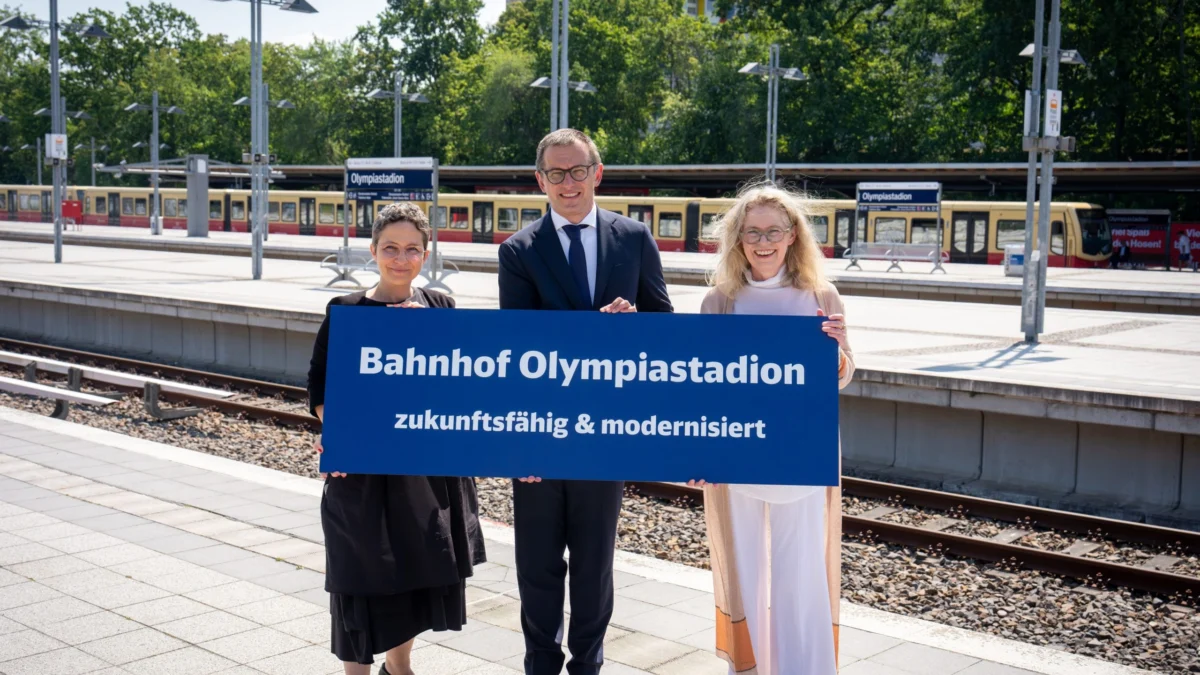
Berlin, Germany – Deutsche Bahn (DB) has reached a significant milestone in its ambitious nationwide modernization program, officially inaugurating the 70th "future-ready" train station. This comprehensive initiative is transforming rail travel across Germany, offering passengers enhanced comfort, clearer information, and a dramatically improved user experience. The latest station to receive its upgrade, the historically significant Berlin Olympiastadion, stands as a testament to the program’s commitment to blending heritage preservation with cutting-edge functionality, particularly for high-traffic events.
With this achievement, DB has surpassed the halfway point of its immediate goal to transform approximately 130 stations by 2026. The broader vision extends even further, with plans to modernize an impressive 1,000 stations across the country by 2035, cementing Germany’s position at the forefront of modern, integrated mobility solutions.
A Milestone in Modernization: The "Future-Ready" Program
The "future-ready" station program is a cornerstone of Deutsche Bahn’s strategy to bolster Germany’s rail infrastructure, making train travel more attractive, efficient, and user-friendly. It represents a unified approach, moving away from piecemeal renovations towards a standardized model that ensures consistently high quality across all modernized facilities.
The core objective is to create seamless, intuitive, and comfortable environments for millions of passengers daily. This involves a meticulous application of common criteria centered around three key pillars: comfort, accessibility, and seamless integration into the urban environment. The transformation encompasses a wide array of improvements designed to address every aspect of the passenger journey.

Redefining the Passenger Experience
At the heart of the "future-ready" concept lies a deep understanding of modern passenger needs. The renovated stations boast a suite of upgrades that collectively elevate the travel experience:
- Enhanced Waiting Areas: Gone are the days of sparse, uncomfortable platforms. New stations feature ergonomically designed seating, often with integrated charging points, and improved shelter from the elements, ensuring passengers can wait in comfort regardless of weather conditions. The design prioritizes natural light and a sense of openness, contributing to a more pleasant atmosphere.
- Modern Lighting Systems: Energy-efficient LED lighting is a standard feature, providing brighter, more uniform illumination across platforms, concourses, and access points. This not only enhances safety and security, particularly during evening hours, but also contributes to a more inviting ambiance. The intelligent lighting systems are often adaptable, adjusting to natural light levels to maximize energy savings.
- Efficient Passenger Information Systems: A critical element of any modern transportation hub is clear and timely information. The upgraded stations feature state-of-the-art digital display boards, often multilingual, providing real-time updates on train arrivals, departures, platform changes, and potential disruptions. These systems are designed for clarity and ease of comprehension, significantly reducing passenger anxiety and confusion. Furthermore, advanced public address systems ensure announcements are clear and audible throughout the station.
- Improved Accessibility: Universal accessibility is a fundamental principle of the program. This includes the installation of tactile paving for visually impaired passengers, ramp access where elevators are not feasible, and clear signage to guide all travelers. The aim is to ensure that rail travel is inclusive and easily navigable for individuals with mobility challenges, parents with strollers, and elderly passengers.
- Seamless Multimodal Connectivity: Recognizing that a train journey is often part of a larger travel chain, the "future-ready" stations are designed as integrated mobility hubs. This means providing better connections to other modes of transportation, such as local bus routes, tram lines, bicycle sharing schemes, and taxi services. Clear wayfinding, dedicated drop-off zones, and secure bicycle parking facilities are standard, facilitating smooth transfers and encouraging sustainable travel choices.
- Contemporary Furniture and Design: Beyond purely functional upgrades, the aesthetic appeal of the stations has been significantly enhanced. New, durable, and aesthetically pleasing furniture, often made from sustainable materials, contributes to a modern and welcoming environment. The overall design language is coherent, reflecting a commitment to quality and contemporary urban architecture.
These improvements collectively aim to transform stations from mere transit points into inviting public spaces, fostering a positive perception of public transport and encouraging greater ridership.
Berlin Olympiastadion: A Beacon of Integrated Design
The inauguration of Berlin Olympiastadion as the 70th modernized station holds particular significance. As a key hub for regional transportation in the German capital, this station experiences immense passenger traffic, especially during major sporting events, concerts, and cultural gatherings at the iconic Olympiastadion complex. Its modernization serves as a prime example of the program’s ability to tackle complex projects that combine historical preservation with modern demands.
Balancing Heritage with Modernity
The modernization project at Berlin Olympiastadion was a delicate balancing act. The station’s protected historic building, a testament to early 20th-century architecture, required careful restoration. Deutsche Bahn, in collaboration with heritage conservationists, meticulously preserved and restored original architectural elements, ensuring the station’s unique character was maintained while integrating contemporary upgrades. A notable detail was the restoration of the original "Olympiastadion" inscription on the pedestrian bridge, a subtle nod to its storied past. This commitment to heritage underscores a broader philosophy: that modernization need not erase history but can instead enhance it, creating spaces that are both functional and rich in character.

Enhancing Capacity for High-Traffic Events
Beyond aesthetics and historical preservation, a primary goal for Berlin Olympiastadion was to significantly increase its capacity and improve passenger flow. The existing infrastructure, while robust, often struggled under the immense pressure of tens of thousands of attendees converging simultaneously for major events. The upgrades focused on optimizing pathways, widening access points, and implementing intelligent crowd management solutions.
The installation of modern passenger information screens, strategically placed throughout the station, ensures that even during peak times, travelers receive clear guidance. A new, intuitive station wayfinding system helps navigate the complex layout, while energy-efficient LED lighting contributes to safety and visibility. New, robust furniture in waiting areas provides comfort for those awaiting trains, and the overall design considerations were geared towards facilitating quicker, safer, and more comfortable transitions for large crowds. This proactive approach ensures that Berlin Olympiastadion is not only ready for current events but also future major international gatherings, showcasing Germany’s capability to host world-class events with seamless logistical support.
The Federal Ministry of Transport demonstrated its commitment to this vital infrastructure project by contributing EUR 2.2 million towards the modernization of the Berlin Olympiastadion station, highlighting the national importance of these upgrades.
Strategic Vision and Collaborative Efforts
The success of the "future-ready" program is not merely a sum of individual station renovations; it’s a reflection of a profound strategic shift within Deutsche Bahn and its infrastructure division, DB InfraGO AG. Philipp Nagl, CEO of DB InfraGO AG, articulated this vision, stating, "A station ready for the future means moving away from piecemeal solutions and toward standardized construction, ensuring a consistently high level of quality for attractive stations. This new approach has proven effective." This emphasis on standardization ensures efficiency, cost-effectiveness, and a consistent passenger experience across the network.

The "Agenda for Satisfied Rail Passengers"
The modernization efforts are deeply aligned with the German government’s "Agenda for Satisfied Rail Passengers," a broader initiative aimed at enhancing the overall appeal and reliability of rail travel. Claudia Elif Stutz, State Secretary at the Federal Ministry of Transport, underscored this connection: "Here at the Olympiastadion S-Bahn station, DB InfraGO is implementing the goals set out in the Agenda for Satisfied Rail Passengers: stations must become more attractive, more efficient, and developed in an integrated manner so that every journey begins as pleasantly as possible. This applies in particular to cleanliness, safety, and accessibility."
This agenda recognizes that the station is the gateway to the rail system, and its quality significantly influences the passenger’s perception of their entire journey. By focusing on fundamental aspects like cleanliness, perceived safety, and comprehensive accessibility, the program directly addresses common pain points for travelers, aiming to foster greater trust and satisfaction in public transport.
Stations as Integrated Mobility Hubs
A crucial element of Deutsche Bahn InfraGO’s new strategy is treating stations not as isolated structures but as complete complexes. This holistic view encompasses the station building itself, the railway area, and the surrounding urban space. This integrated approach acknowledges that a station’s true value extends beyond its platforms; it lies in its ability to seamlessly connect with its local environment and serve as a nexus for various modes of transportation.
To achieve this, DB InfraGO is fostering closer collaboration with local authorities and urban planners. A key enabler of this strategy is the Competence Center for Station Squares and Related Mobility, established in 2024. This center serves as a hub for expertise and coordination, facilitating dialogue between railway operators, municipal governments, and other stakeholders to ensure that station modernizations are harmonized with broader urban development goals. This collaborative model allows for the creation of truly multimodal hubs, where public transport, cycling, walking, and shared mobility services converge efficiently, enhancing urban liveability and promoting sustainable transport choices.

Securing the Future: Funding and Expansion
The ambitious scope of Deutsche Bahn’s modernization program is underpinned by crucial legislative and financial support. The ability to undertake such extensive renovations on a national scale was significantly bolstered by recent policy changes.
Legislative Support for Infrastructure Investment
The 2024 revision of the Federal Act on the Development of Rail Infrastructure (BSWAG) marked a pivotal moment. This legislative update re-included Deutsche Bahn station buildings within the public funding mechanism, providing a stable and substantial financial framework for the modernization efforts. Historically, funding for station buildings could be complex and fragmented, but this revision streamlined the process, recognizing stations as integral parts of the national rail infrastructure deserving of public investment. This ensures long-term financial security for the program, allowing for sustained development and upgrades across the network. The federal government’s commitment underscores the strategic importance of rail infrastructure to Germany’s economic and environmental future.
Ambitious Targets for a Connected Germany
With secure funding and a proven strategy, Deutsche Bahn InfraGO is poised for significant expansion. German authorities estimate that by 2035, approximately 1,000 stations will have undergone modernization according to this comprehensive model. This long-term vision aims to create a nationwide network of modern, efficient, and appealing mobility hubs.
The current milestone of 70 stations under the "future-ready" program is part of a larger, ongoing effort. In previous years, DB has demonstrated consistent progress in infrastructure upgrades, completing the modernization of 113 stations in 2024 and 124 stations in 2025 across various initiatives. These figures illustrate the sheer scale of investment and effort Deutsche Bahn is dedicating to improving its infrastructure, with the "future-ready" program specifically focusing on the qualitative aspects of station design and passenger experience. The cumulative impact of these investments will be transformative for German rail users.

Broader Implications for German Mobility and Sustainability
The widespread modernization of train stations carries profound implications, extending far beyond improved passenger comfort. It is a strategic investment in Germany’s future, aligning with national and European goals for sustainable development, economic growth, and enhanced quality of life.
Driving the Shift to Sustainable Travel
In an era defined by climate change and the imperative to reduce carbon emissions, rail travel stands out as one of the most sustainable modes of transport. By making train stations more attractive, accessible, and integrated, Deutsche Bahn is actively encouraging a modal shift away from less environmentally friendly options like private cars and short-haul flights. Modern, comfortable stations reduce friction in the travel process, making rail a more compelling and convenient choice for both daily commuters and long-distance travelers. This contributes directly to Germany’s climate protection targets and the broader European Green Deal objectives. The improved connectivity to cycling and local public transport further amplifies this effect, creating a cohesive, green mobility chain.
Economic and Social Dividends
The benefits of station modernization are not solely environmental. There are significant economic and social dividends. Well-maintained, attractive stations often act as catalysts for local urban development, revitalizing surrounding areas and stimulating economic activity. Businesses thrive around modern transport hubs, creating jobs and increasing property values. Furthermore, enhanced accessibility ensures that rail travel is available to a wider segment of the population, promoting social inclusion and offering greater opportunities for travel, work, and leisure. The increased efficiency of passenger flow and information systems also translates into time savings for travelers, a valuable economic asset.
Moreover, the standardization of quality ensures that passengers in smaller towns and rural areas benefit from the same high standards as those in major metropolitan centers, fostering a sense of equity and strengthening regional connections. This nationwide improvement contributes to a more cohesive and interconnected Germany, supporting regional economies and fostering community development.

Conclusion: A New Era for German Rail Travel
Deutsche Bahn’s "future-ready" station program marks a pivotal moment in the evolution of Germany’s rail infrastructure. The successful modernization of 70 stations, exemplified by the impressive transformation of Berlin Olympiastadion, underscores a resolute commitment to enhancing the passenger experience, promoting sustainable mobility, and integrating rail travel seamlessly into the urban fabric.
With ambitious targets for 2026 and 2035, backed by robust legislative support and a collaborative strategic vision, Germany is well on its way to establishing a network of truly modern mobility hubs. These stations are more than just points of arrival and departure; they are inviting gateways to cities and regions, embodying comfort, efficiency, and a forward-looking approach to public transportation. As DB continues its extensive modernization efforts, a new era of rail travel in Germany is clearly emerging, promising a more pleasant, reliable, and sustainable journey for all.

