

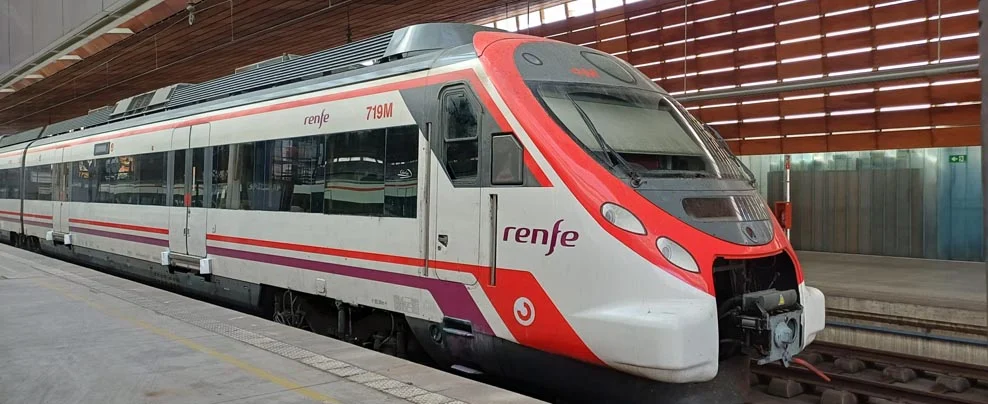
In a significant move for the future of public transportation in Northern Spain, Renfe has officially commenced technical testing of its Civia Electric Multiple Unit (EMU) trains across the suburban rail network in Bilbao. This initiative serves as a cornerstone of the broader effort to modernize commuter services in the Basque Country, reflecting a strategic shift toward more efficient, accessible, and high-capacity rail infrastructure.
While these trials are currently restricted to technical performance assessments, they represent a critical milestone in the ongoing transfer of suburban transport competencies from the national operator to the Basque Government. By rigorously evaluating the integration of the Civia fleet within the unique topography and technical constraints of the province of Bizkaia, Renfe is laying the groundwork for a generational upgrade in regional rail mobility.
Main Facts: The Civia Initiative in Bizkaia
The testing phase is currently centered on two high-traffic arteries of the Bilbao Cercanías network: the C1 line (Bilbao Abando Indalecio Prieto–Santurtzi) and the C2 line (Bilbao Abando Indalecio Prieto–Muskiz). These routes are vital conduits for daily commuters, connecting the heart of Bilbao with the industrial and residential coastal corridors.
Key Technical Parameters of the Trials:
- Operational Validation: Engineers are monitoring how the Civia EMU handles the specific track geometry, signaling systems, and power supply profiles of the Bizkaia network.
- Infrastructure Compatibility: The tests serve to identify any necessary hardware or software adjustments required to ensure seamless operation before the trains are introduced to the general public.
- Non-Commercial Status: Renfe has emphasized that this phase is strictly technical. No passengers will be carried during these runs, and the trains will not yet be integrated into the published passenger timetables.
- Fleet Evolution: The deployment of the Civia, a workhorse of Spanish metropolitan rail, signals an intent to harmonize the Basque fleet with the high-performance standards found in other major Spanish cities like Madrid and Barcelona.
A Chronology of the Modernization Effort
The current testing phase is not an isolated event but the culmination of a multi-year administrative and strategic roadmap.
Phase 1: Institutional Transfer (2020–2023)
The modernization plan finds its roots in the landmark political agreements between the Spanish central government and the Basque Government. Following the transfer of authority over suburban rail services (Cercanías), the Basque administration began prioritizing the renewal of aging rolling stock. This period was marked by complex negotiations regarding funding, service levels, and the procurement of new technology.
Phase 2: Technical Preparation (Early 2024–Mid 2025)
Renfe engineers conducted extensive desktop studies and simulation modeling to ensure the Civia platform could meet the demands of the steep gradients and tight curves often found in Basque rail geography. During this period, the maintenance depots in the Bilbao region were upgraded to handle the specific diagnostics and repair requirements of the Civia’s modular design.
Phase 3: The Current Deployment (Q3 2026)
As of July 2026, the arrival of the test units on the C1 and C2 lines marks the transition from planning to physical implementation. These runs serve as the final "stress test" before the fleet is cleared for passenger service.
Supporting Data: Why the Civia Matters
The Civia train is not merely a replacement for older units; it is a specialized platform designed to address the specific challenges of the 21st-century urban rail landscape.
Technical Specifications and Performance Metrics:
- Energy Efficiency: The Civia series features advanced regenerative braking systems, which capture kinetic energy during deceleration and return it to the overhead line. This significantly reduces the carbon footprint per passenger-kilometer compared to legacy fleets.
- Modular Capacity: One of the Civia’s defining characteristics is its modular design. Trains can be configured with varying numbers of carriages (from two to five), allowing Renfe to scale capacity up or down based on real-time ridership data and peak-hour demands.
- Accessibility Standards: The rolling stock features low-floor entry, which is flush with the station platforms. This eliminates the "gap" that often hinders passengers with reduced mobility, those with strollers, or cyclists.
- Passenger Experience: The inclusion of modern HVAC (heating, ventilation, and air conditioning) systems, real-time audio-visual information displays, and high-definition video surveillance ensures that the commuter experience aligns with modern safety and comfort expectations.
Official Responses and Stakeholder Perspectives
The modernization program is a collaborative effort between the national operator, Renfe, and the Basque Department of Mobility and Infrastructure.

Renfe’s Official Stance
In a formal communication, Renfe stated: "These trials allow us to identify any necessary adjustments before the trains are put into commercial operation. Our commitment is to ensure that when the Civia units enter service, they do so with the highest levels of reliability and safety. We are working closely with local authorities to ensure that the transition is seamless for the daily commuter."
The Basque Government’s View
Regional transport authorities have framed the project as a victory for Basque self-governance. By taking control of the commuter network, the Basque Government aims to tailor rail services to the specific industrial and demographic needs of the territory. A spokesperson for the Ministry of Transport noted that the introduction of Civia trains is just one of several initiatives, which include the expansion of existing lines and the potential construction of new transit hubs to alleviate congestion in the Bilbao metropolitan area.
Implications: The Future of Basque Commuter Rail
The successful integration of the Civia fleet will have profound implications for the region’s mobility landscape.
1. Reducing the "Modal Gap"
One of the primary goals of the Basque Government is to shift commuters from private automobiles to public rail. To achieve this, the rail service must be perceived as a viable, attractive alternative. The high-frequency, high-reliability, and high-comfort features of the Civia trains are essential tools in this effort to reduce highway congestion and lower regional emissions.
2. A Blueprint for Future Expansion
The experience gained during the testing of the C1 and C2 lines will serve as a blueprint for the modernization of the remainder of the Basque network. Future plans involve extending these upgrades to the C3 line and exploring regional connectivity projects that would link the Bilbao commuter network more effectively with the Basque Y (the high-speed rail network currently under construction).
3. Economic Impact
The modernization of the fleet also supports the local rail industry. Maintenance and upkeep of the new fleet are expected to provide high-skilled employment opportunities within the Basque Country, fostering a local ecosystem of rail engineering and technical support services.
4. Long-Term Sustainability
As Europe moves toward its "Green Deal" objectives, the rail sector remains the backbone of sustainable transport. By replacing older, less efficient trains with modern, energy-efficient Civia units, the Basque Country is making a measurable contribution to its sustainability goals, significantly reducing the energy intensity of its public transport sector.
Conclusion
The deployment of the Civia electric train for testing in Bilbao is more than a technical upgrade; it is a statement of intent. It signifies the end of an era of aging infrastructure and the beginning of a modernized, passenger-centric rail network. While the residents of the Bilbao metropolitan area must wait a while longer to board these units for their daily commutes, the current trials ensure that when the doors do open, the service will be safer, more reliable, and better suited to the demands of a modern European city.
As Renfe and the Basque Government continue their collaboration, the focus will remain on refining these systems. With the C1 and C2 lines acting as the proving ground, the modernization of the Bizkaia rail network stands as a beacon for what is possible when strategic planning meets technological innovation in the public service sector.

