

Executive Summary: A Multi-Billion Zloty Transformation
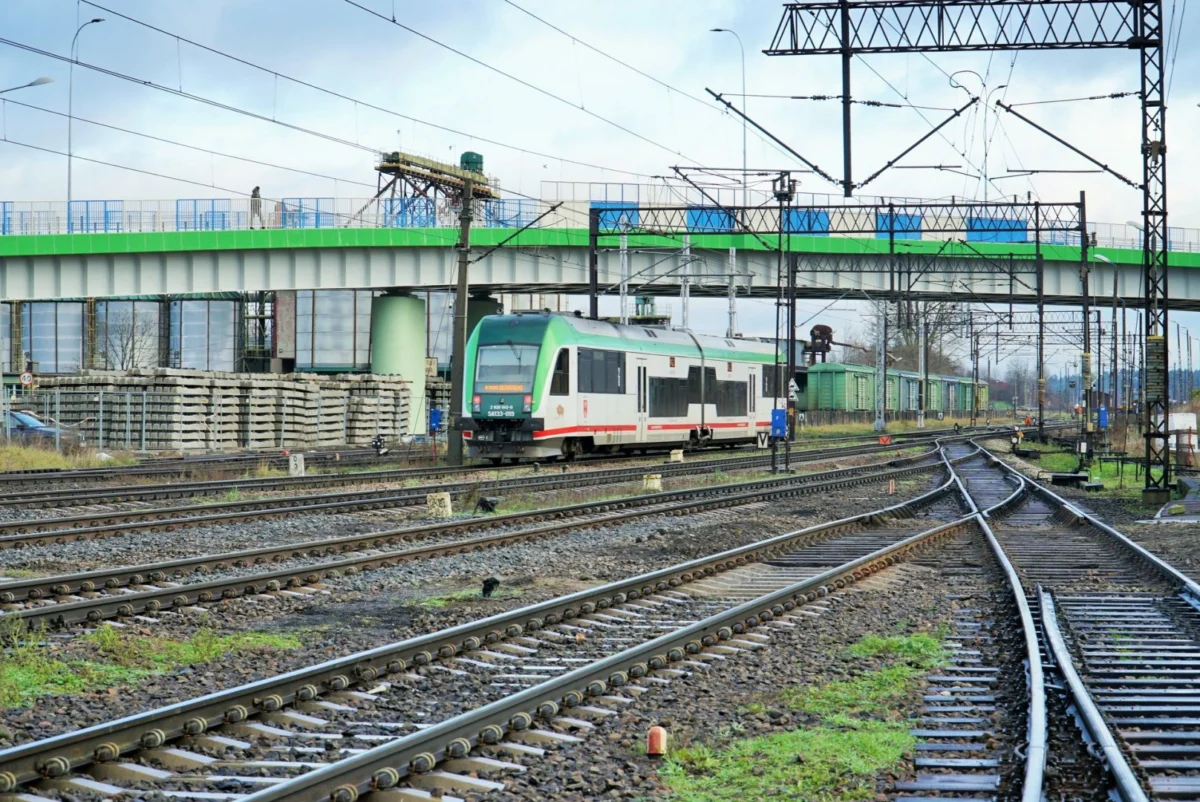
Poland is currently undergoing one of the most significant overhauls of its regional railway infrastructure in recent history. The "Kolej Plus" programme, a flagship initiative managed by PKP Polskie Linie Kolejowe (PKP PLK), has officially advanced to its critical second phase. With a total investment valuation for submitted projects reaching PLN 30 billion (approximately EUR 6.7 billion), the initiative stands as a cornerstone of the Polish government’s strategy to bridge the developmental gap between major urban centers and smaller, often underserved, municipalities.
By evaluating 96 distinct applications from local government units across all of Poland’s provinces, the national rail infrastructure manager has identified 79 viable projects—representing 80% of the total submissions—that align with the rigorous criteria of the national rail strategy. These projects aim to revitalize, reconstruct, and construct new railway lines to ensure seamless connectivity, targeting the eventual elimination of "transport exclusion"—a phenomenon where smaller towns are effectively cut off from the economic and social benefits of the national railway network.
The Chronology of Progress: From Vision to Execution
The Kolej Plus programme is not a reactionary measure but a calculated, multi-year strategy designed to systematically rebuild Poland’s regional rail map.
Phase One: Evaluation and Selection
The initial phase involved a comprehensive call for proposals. Local governments were required to submit detailed dossiers that included social condition assessments, expected travel time reductions, cost-benefit analyses, and proof of inclusion within regional strategic documents. Critically, the programme required local governments to demonstrate a willingness to co-finance the projects, ensuring that there is "skin in the game" from those who stand to benefit most.
Phase Two: The Planning and Forecasting Window
We have now transitioned into the second phase of the programme. Over the next 12 months, the local government units whose projects were qualified will be tasked with drafting preliminary planning and forecasting studies. To ensure uniformity and professional rigor, these entities will utilize standardized tender documentation provided by PKP PLK. This phase is crucial as it transitions abstract regional desires into concrete, bankable engineering plans.
The Path to 2028
The long-term roadmap for Kolej Plus is set for completion by 2028. This timeframe accounts for the complex nature of railway construction, which involves land acquisition, environmental impact assessments, and extensive civil engineering. By maintaining a steady cadence, the Ministry of Infrastructure intends to ensure that the influx of funds—totaling PLN 6.6 billion in direct investment—is deployed efficiently to produce tangible results for citizens.
Supporting Data and Financial Framework
The financial architecture of the Kolej Plus programme is designed to balance central government support with regional participation. While the submitted project pipeline is worth PLN 30 billion, the specific implementation budget for the programme is set at PLN 6.6 billion (EUR 1.47 billion).
Budgetary Breakdown
- Total Programme Investment: PLN 6.6 billion.
- State Budget Contribution: PLN 5.6 billion (EUR 1.25 billion), accounting for approximately 85% of the funding.
- Local Government Contribution: PLN 1 billion (EUR 223.6 million), representing the remaining 15% share.
This cost-sharing model is designed to encourage fiscal responsibility at the local level while ensuring that the central government retains the primary burden of funding for projects that are of national strategic importance. The disparity between the total project value (PLN 30 billion) and the core programme budget (PLN 6.6 billion) suggests that while many projects have been qualified, the state is prioritizing those that offer the highest socio-economic returns, with potential for future funding tranches or alternative financing models for the remaining pipeline.

Official Perspectives: Bridging the Gap
The leadership at both the state and operational levels has been vocal regarding the necessity of this programme in the context of Polish regional development.
The View from PKP PLK
Ireneusz Merchel, the CEO of PKP PLK, emphasized the collaborative nature of the initiative:
"The involvement of local governments shows how important the Kolej Plus programme is for our society. The next stage will be the development of preliminary planning and forecasting studies in order to consistently aim at the implementation of tasks that will reduce transport exclusion and improve access to the railways."
Merchel’s comments highlight the shift in philosophy—moving away from top-down rail management toward a model where regional authorities act as partners in defining the infrastructure needs of their specific populations.
The Ministry of Infrastructure’s Stance
Andrzej Bittel, the Secretary of State at the Ministry of Infrastructure, highlighted the human impact of these investments:
"We restore new connections and the number of stations where trains stop is increasing. The plans show that by acting together, we can combat the communication exclusion in Polish regions."
The Ministry’s objective is clear: any town with a population exceeding 10,000 inhabitants should have a direct, reliable rail connection to its respective provincial capital. This is seen as a fundamental right of modern citizenship and a prerequisite for economic parity.
Implications: The Socio-Economic Ripple Effect
The implications of the Kolej Plus programme extend far beyond the mere laying of tracks and the renovation of station buildings.
Combating Transport Exclusion
In many parts of Poland, the post-transition era saw a decline in regional rail viability, leading to the closure of lines and the isolation of smaller towns. This "transport exclusion" often results in an increased reliance on private automobiles, higher carbon emissions, and the economic stagnation of peripheral regions. By reintroducing rail service, the government is providing residents with affordable, sustainable, and reliable transit, which is a significant factor in job mobility and access to education.
Economic Revitalization
Railways have historically acted as arteries for commerce. By connecting towns of over 10,000 residents to provincial hubs, the programme effectively expands the labor market for those towns. Businesses are more likely to invest in regions that possess modern infrastructure, and citizens are more likely to remain in their home towns if they can easily commute to larger centers for work.
Environmental Sustainability
As Poland aligns itself with European Union mandates regarding carbon neutrality and the Green Deal, shifting transit from road to rail is an essential strategy. Each train connection that successfully replaces car trips contributes to a reduction in congestion and a lowering of the overall national carbon footprint.
Conclusion: A Blueprint for the Future
The Kolej Plus programme represents a sophisticated blend of centralized strategic planning and localized democratic participation. By demanding rigorous documentation and financial commitment from local authorities, PKP PLK is ensuring that only the most viable, necessary, and sustainable projects proceed to construction.
As the program moves through its second phase and toward the 2028 completion deadline, the eyes of the Polish public will remain fixed on the progress of these 79 projects. If successful, the initiative will serve as a model for other nations facing similar challenges in regional connectivity. The restoration of rail is more than just an infrastructure project; it is a vital step toward ensuring that the benefits of Poland’s ongoing economic growth are shared by all its citizens, regardless of their geographic location.
Through the harmonization of state resources and regional insight, Poland is proving that the railway remains the most effective tool for social integration and balanced economic development in the 21st century.

