

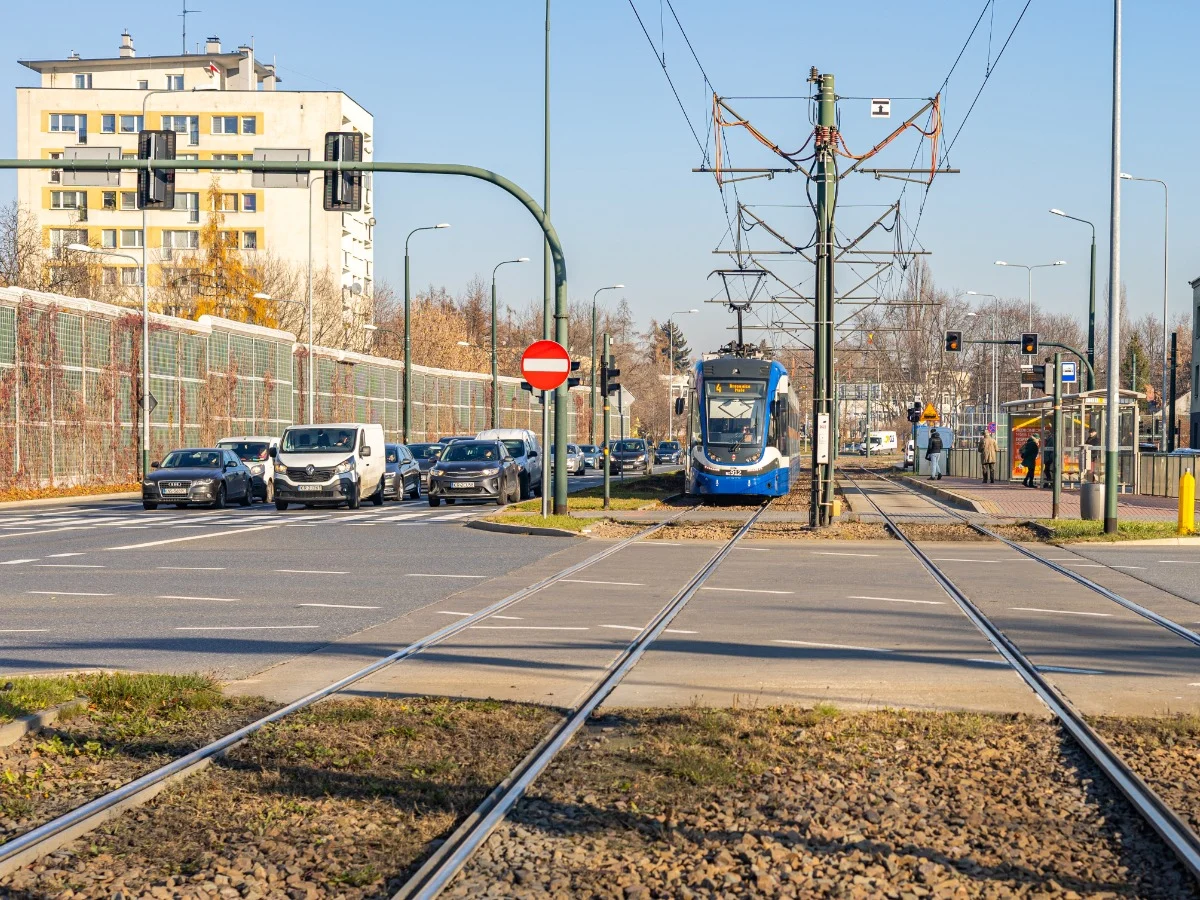
Krakow, the historical heart of Poland, is currently undergoing a transformative shift in its urban mobility landscape. At the center of this evolution is the Phase IV expansion of the Krakow Fast Tram (KST) project—a landmark initiative that marks the first Public-Private Partnership (PPP) in the history of Polish tram infrastructure. With the backing of international financial institutions and the engineering prowess of the Turkish firm Gülermak, the city is set to reshape how its residents commute, significantly reducing carbon footprints and travel times while setting a new benchmark for urban transit development in Central Europe.
Main Facts: The Scope of the Project
The Phase IV extension of the Krakow Fast Tram is a multi-faceted infrastructure endeavor designed to bridge the gap between the northern districts of the city. At its core, the project involves the construction of a 4.5-kilometer double-track tram line, which will incorporate a sophisticated 900-meter tunnel. This infrastructure is not merely for rail; it is a holistic urban design plan that includes comprehensive upgrades to pedestrian walkways and cycling paths, ensuring that the project promotes a multi-modal transport ecosystem.
The financial backbone of this undertaking is as significant as the engineering itself. The project is backed by a total financing package of PLN 824 million (approximately EUR 177.5 million). A major milestone was recently reached when the European Bank for Reconstruction and Development (EBRD) finalized a loan agreement worth PLN 258.5 million (EUR 54 million). This capital is being funneled through a special-purpose vehicle (SPV) known as PPP Solutions Polska 2 Sp, a company owned by the Gülermak Group.
The remaining capital is being provided through a collaborative effort between the European Investment Bank (EIB)—which has committed EUR 32.3 million—and a consortium of Polish commercial banks. This robust financial structure underscores the project’s viability and the confidence that international markets have in Krakow’s long-term urban planning strategies.
Chronology: A Timeline of Progress
The journey toward this monumental infrastructure project began in earnest in December 2021, when the City of Krakow signed the foundational PPP agreement with the consortium consisting of PPP Solutions Polska and Gülermak Ağır Sanayi İnşaat ve Taahhüt. This contract, spanning a 24-year duration, grants the private partner responsibility for the design, construction, implementation, and long-term maintenance of the line. Upon the expiration of this term, ownership and operational management will revert to the city.
Following the initial signing, the project has maintained a steady momentum:
- December 2021: Formal signing of the PPP agreement.
- Throughout 2022: Extensive design work commenced, reaching a 60% completion status by year-end.
- September 2022: City officials announced the planned redevelopment of the Kurdwanów Terminus. Originally opened in 1974, the terminal is being overhauled to accommodate increased traffic density.
- December 2022: The official signing of the loan agreement between the EBRD and Gülermak, solidifying the financial foundation required for construction.
- 2023–2024: Continued site preparation and construction, including the design revisions for the Młyńskie Roundabout.
- 2025 (Projected): Completion of the project and commencement of full-scale operations.
Supporting Data: Infrastructure and Capacity Improvements
The engineering specifications of the Phase IV project are designed to maximize throughput and passenger comfort. A standout feature is the Młyńskie Roundabout stop. Originally designed as an open-air station, the design was recently revised to include a roofed structure to protect commuters from Krakow’s harsh winters and inclement weather. The station, located at level -1, will be fully accessible via traditional stairs and elevators, reflecting a modern approach to universal accessibility.
The upgraded Kurdwanów Terminus serves as another critical node in this network. Once completed, the terminus will feature two 65-meter-long platforms on the primary route and two additional 45-meter platforms to facilitate efficient boarding and alighting. These will be equipped with real-time passenger information displays and weather-protected shelters, specifically designed to serve passengers with reduced mobility.
The operational impact of these improvements is expected to be profound. Once the line connects the Lema/Meissnera intersection with the Mistrzejowice tram loop, travel times to the city center will be slashed by approximately 12 minutes. Furthermore, the capacity of the tram network will see a dramatic increase; the new tracks will allow for more than 40 additional tram trips per hour, translating to an increase of over 550 daily trips. By 2025, the system will support a high-frequency service with trams running at intervals of up to 90 seconds.
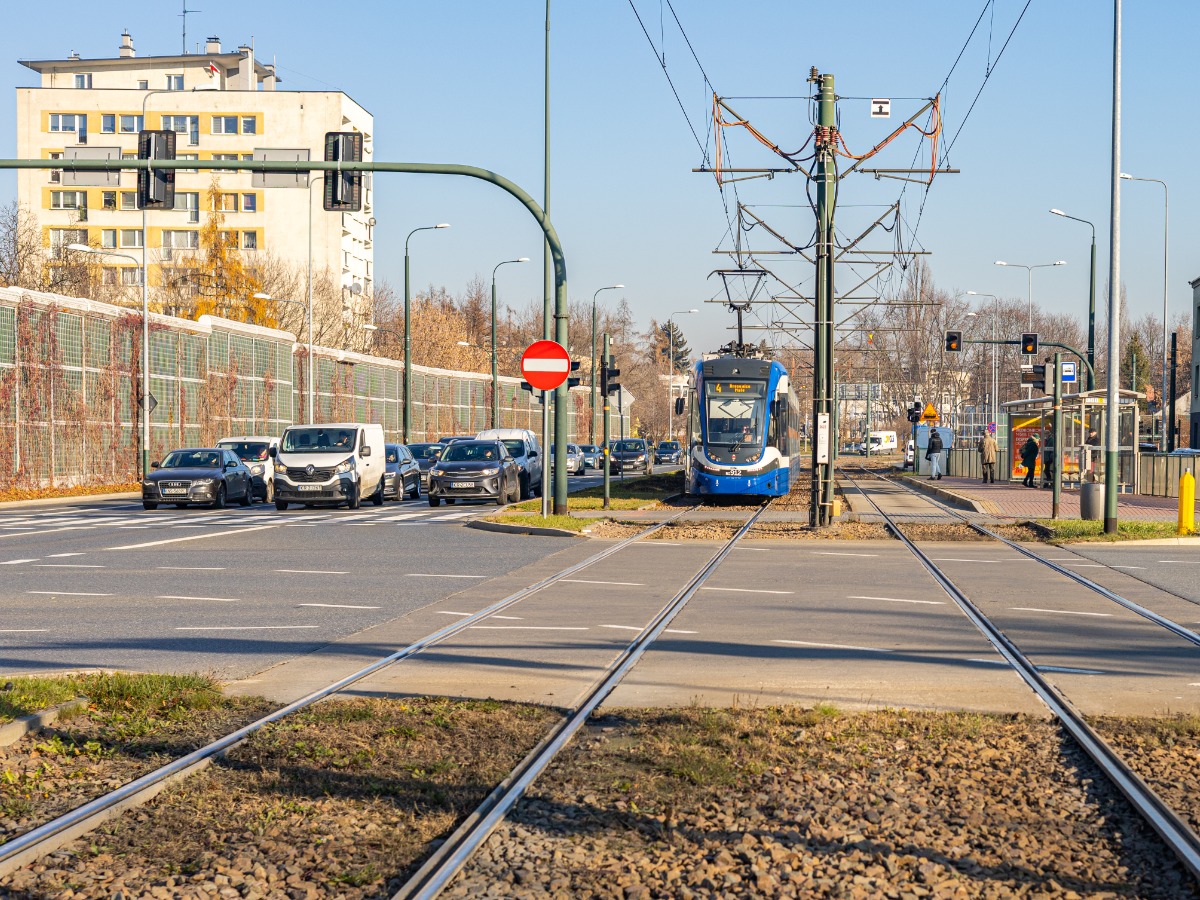
Official Responses and Strategic Vision
The project has garnered significant attention from international stakeholders who view it as a pilot program for future PPP models in the region.
"We are proud to support Krakow’s efforts to make its transport greener," said Susan Goeransson, EBRD Director for Infrastructure in Europe. "The project, which the city’s population is eagerly anticipating, will make Krakow’s tram network faster and more convenient, encouraging more people to use trams instead of cars."
For the lead contractor, the project represents a significant evolution in their business portfolio. Türkekul Doğan, CEO of PPP Investment for Gülermak, noted, "The Krakow tram PPP represents a pioneering project in the evolution of the PPP market in Poland and a significant milestone for Gülermak Group as its first PPP investment. The EBRD brings substantial experience to the project and also guides all stakeholders to prioritize green economy transition."
This partnership highlights the intersection of private-sector efficiency and public-sector objectives. By outsourcing maintenance and long-term upkeep to the private sector, the city ensures that the infrastructure remains in top-tier condition throughout the 24-year contract period, preventing the typical degradation often seen in aging municipal rail systems.
Implications: The Shift Toward a Green Future
The overarching goal of the Phase IV Krakow Fast Tram is to facilitate a "modal shift"—persuading citizens to move away from private vehicle ownership in favor of high-quality public transit. In a city where traffic congestion and air quality are persistent challenges, this shift is critical.
Environmental Impact
The environmental benefits are twofold. First, the increase in electric-powered tram capacity directly reduces the reliance on internal combustion engine vehicles, leading to a marked decrease in localized CO2 emissions. Second, the construction phase itself is being overseen by the EBRD with a focus on "green economy transition," ensuring that the materials and methods used meet modern sustainability standards.
Socio-Economic Benefits
By connecting previously isolated northern districts to the city center, the project promotes greater economic mobility. Residents in the Mistrzejowice area will have vastly improved access to employment hubs in the city center. The integration of cycling and pedestrian paths also fosters a more active urban lifestyle, aligning Krakow with the "15-minute city" planning philosophy that is currently sweeping European urban centers.
A Model for Poland
Perhaps the most significant implication of this project is its status as a trailblazer. Poland has historically been cautious regarding PPP models for large-scale rail infrastructure. The successful execution of this project—navigating the complexities of international finance, municipal law, and construction engineering—will serve as a blueprint for other Polish cities, such as Wroclaw, Poznan, or Gdansk, looking to modernize their transit systems without placing the entire financial burden on the state budget.
As the project nears its 2025 completion date, all eyes will be on Krakow. The city is not merely laying tracks; it is building a case study for the future of European urban mobility. Through the synergy of the EIB, the EBRD, and the technical expertise of the Gülermak Group, Krakow is demonstrating that sustainable, efficient, and user-friendly public transit is not only a dream but a deliverable reality. By prioritizing long-term maintenance, technological integration, and environmental stewardship, the KST Phase IV stands as a testament to the power of public-private cooperation in the 21st century.

