
Introduction: A Breach in the Supply Chain
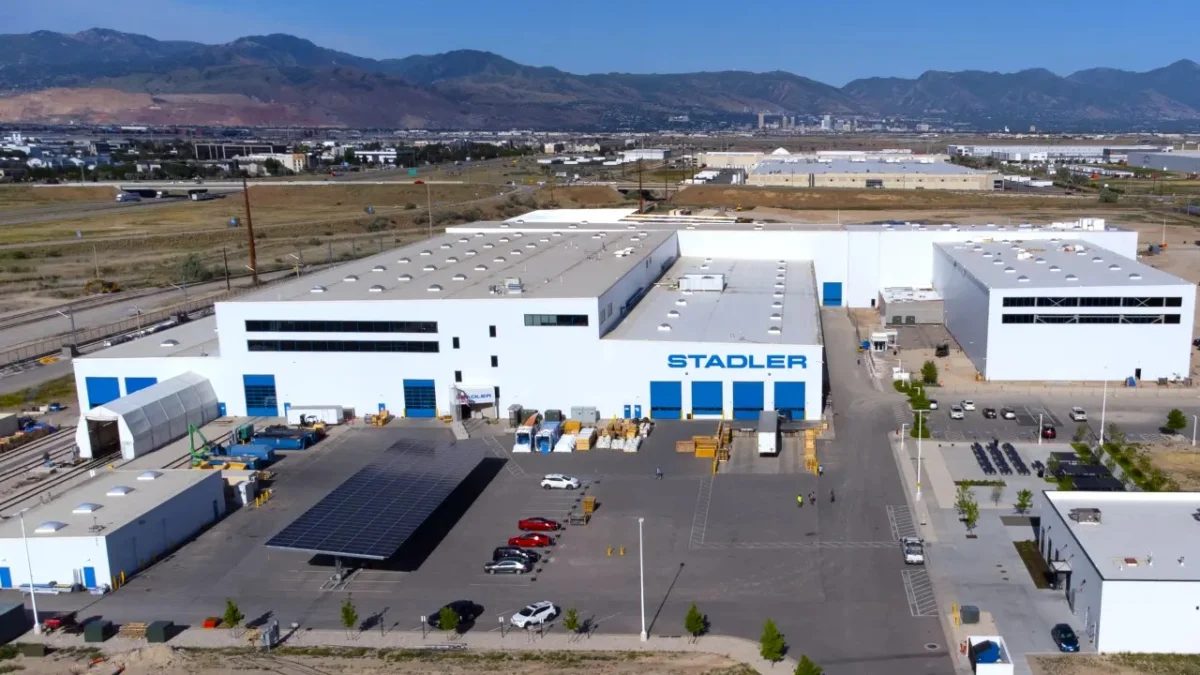
In a chilling reminder of the vulnerabilities inherent in modern industrial supply chains, Swiss rail vehicle manufacturer Stadler has become the latest high-profile target of cyber-extortion. In mid-July 2026, the company confirmed that unauthorized actors—specifically the cybercrime collective known as “Everest”—gained access to a third-party platform used for technical document exchange between Stadler and one of its suppliers.
While the incident has sparked concerns regarding the security of international rail infrastructure, Stadler has moved quickly to reassure stakeholders, passengers, and the public. The company maintains that its core IT infrastructure remains entirely secure and that the stolen data does not, in any way, compromise the safety of the thousands of Stadler trains currently operating across the globe. Despite a substantial ransom demand of CHF 10 million, the manufacturer has adopted a firm stance: no negotiations, no payments, and full cooperation with law enforcement.
The Chronology of the Incident
The breach was identified in the second week of July 2026, following suspicious activity detected on a file-sharing portal. Unlike traditional “hack-and-leak” operations where a company’s central servers are breached, this incident followed a more sophisticated path: the exploitation of third-party trust.
- Mid-July 2026: Unauthorized individuals successfully utilized compromised login credentials to infiltrate a collaborative portal. This portal served as a digital bridge for exchanging design schematics and component specifications between Stadler and an undisclosed supplier.
- Discovery and Containment: Upon detecting the unauthorized access, Stadler’s internal cybersecurity team initiated immediate containment protocols. Access to the portal was restricted, and forensic analysis was launched to determine the scope of the exposure.
- The Extortion Demand: Shortly after the unauthorized access, the Everest group publicly claimed responsibility for the theft. They issued a formal demand for CHF 10 million (approximately EUR 10.8 million), threatening to leak the proprietary technical data if the ransom was not met by a specified deadline.
- Legal Response: By late July, Stadler officially filed a criminal complaint with the Thurgau Cantonal Police. The company confirmed that it had alerted relevant authorities and began a comprehensive review of its supplier-access security policies.
The Everest Group: Anatomy of a Digital Extortionist
The Everest group is known in the intelligence community for its “double extortion” tactics. Unlike older hacking groups that simply encrypted files, Everest specializes in exfiltrating sensitive intellectual property before threatening to release it on the dark web or sell it to competitors.
By targeting a supplier’s connection rather than the primary corporate network, the attackers leveraged the “weakest link” philosophy. Manufacturers often rely on hundreds of external partners, from software developers to component fabricators. Maintaining airtight security across every node of this sprawling ecosystem is a monumental challenge for any multinational corporation. The Everest group’s ability to obtain legitimate credentials—likely through phishing or credential stuffing—highlights the persistent threat posed by human-factor security lapses within the industrial supply chain.
Technical Scope: What Was Actually Stolen?
A primary concern following any data breach involving critical infrastructure is the potential for sabotage or safety degradation. Stadler has gone to great lengths to clarify the nature of the information involved.
1. No Impact on Operational Safety
Stadler has explicitly stated that the stolen data consists of technical documents and specifications related to a specific supplier’s scope of work. Crucially, this information does not contain software code, signaling systems, or control mechanisms that govern the actual movement or safety of trains. Passengers currently traveling on Stadler rolling stock—whether in the Berlin S-Bahn network or elsewhere—are at no increased risk.
2. Intellectual Property and Privacy
While the theft is a significant blow to the manufacturer’s internal intellectual property, the company has confirmed that no sensitive personal data (such as employee records, payroll information, or customer databases) was accessed. The incident is classified by the firm as a “technical data breach” rather than a privacy breach.
3. Business Continuity
Despite the breach, Stadler’s manufacturing facilities continue to operate at full capacity. The company reported that the incident has had zero impact on production timelines, assembly line integrity, or delivery schedules for ongoing rail projects.

Official Responses and Corporate Stance
Stadler’s response to the extortion attempt has been characterized by a “zero-tolerance” policy. In a formal statement, the company emphasized that it would not entertain the demands of the Everest group.
“Stadler will not pay the ransom under any circumstances,” the company stated, a move that aligns with current best practices recommended by cybersecurity experts and international law enforcement agencies. Paying ransoms not only funds criminal organizations but also creates a precedent, marking the victim as a “repeatable” target for future attacks.
The company’s decision to involve the Thurgau Cantonal Police suggests that it is treating the incident as a criminal matter of significant importance. By involving state-level law enforcement, Stadler is leveraging the full weight of Swiss investigative resources to track the origins of the breach and identify the individuals behind the Everest collective.
Broader Implications for the Rail Industry
The incident at Stadler serves as a watershed moment for the global railway manufacturing sector. As trains become increasingly digitized—relying on complex onboard computing systems and internet-connected diagnostics—the digital perimeter of a train manufacturer now extends far beyond the factory floor.
The Rise of Supply Chain Attacks
The railway industry is currently undergoing a digital transformation, integrating AI-driven maintenance, remote monitoring, and complex software-defined hardware. Every one of these advancements requires a new supplier, a new interface, and a new potential entry point for hackers. The Stadler incident highlights that securing one’s own network is no longer sufficient; companies must now enforce strict cybersecurity compliance across their entire supply chain, including mandatory multi-factor authentication (MFA) and regular audits of third-party portals.
The "Everest" Precedent
The use of CHF 10 million as a ransom figure reflects the high valuation of intellectual property in the heavy rail sector. Technical documentation for a modern train represents years of R&D and millions of francs in investment. If stolen designs were to be leaked, they could potentially allow counterfeiters to produce compatible parts, undermining the manufacturer’s aftermarket revenue and quality control standards.
Looking Forward: Cybersecurity as a Core Competency
As the investigation proceeds, Stadler is expected to implement a more rigorous framework for third-party data exchange. This may include:
- Zero Trust Architecture: Moving toward a system where even trusted suppliers must undergo constant verification for every interaction with the company’s data.
- Enhanced Monitoring: Deploying AI-based behavioral analytics to detect anomalous login patterns, such as those that allowed the Everest group to access the portal in mid-July.
- Industry Collaboration: Sharing threat intelligence with other European rail manufacturers to ensure that the entire sector is better prepared for similar incursions.
Conclusion: A Resilient Industry
The breach of Stadler’s supplier portal is a stark reminder of the evolving threat landscape in the 21st-century industrial sector. While the theft of technical data is a serious corporate concern, the company’s rapid identification of the issue and its refusal to engage with the extortionists demonstrate a mature approach to cybersecurity incident management.
By prioritizing safety, maintaining operational continuity, and working closely with law enforcement, Stadler has managed to mitigate the potential fallout of this incident. The event serves as a call to action for the broader transportation industry: in an era of hyper-connectivity, the security of the smallest supplier is now just as critical as the security of the largest factory. As the investigation into the Everest group continues, the global rail community will undoubtedly be watching closely, awaiting the lessons that will inevitably shape the next generation of industrial cybersecurity standards.

