

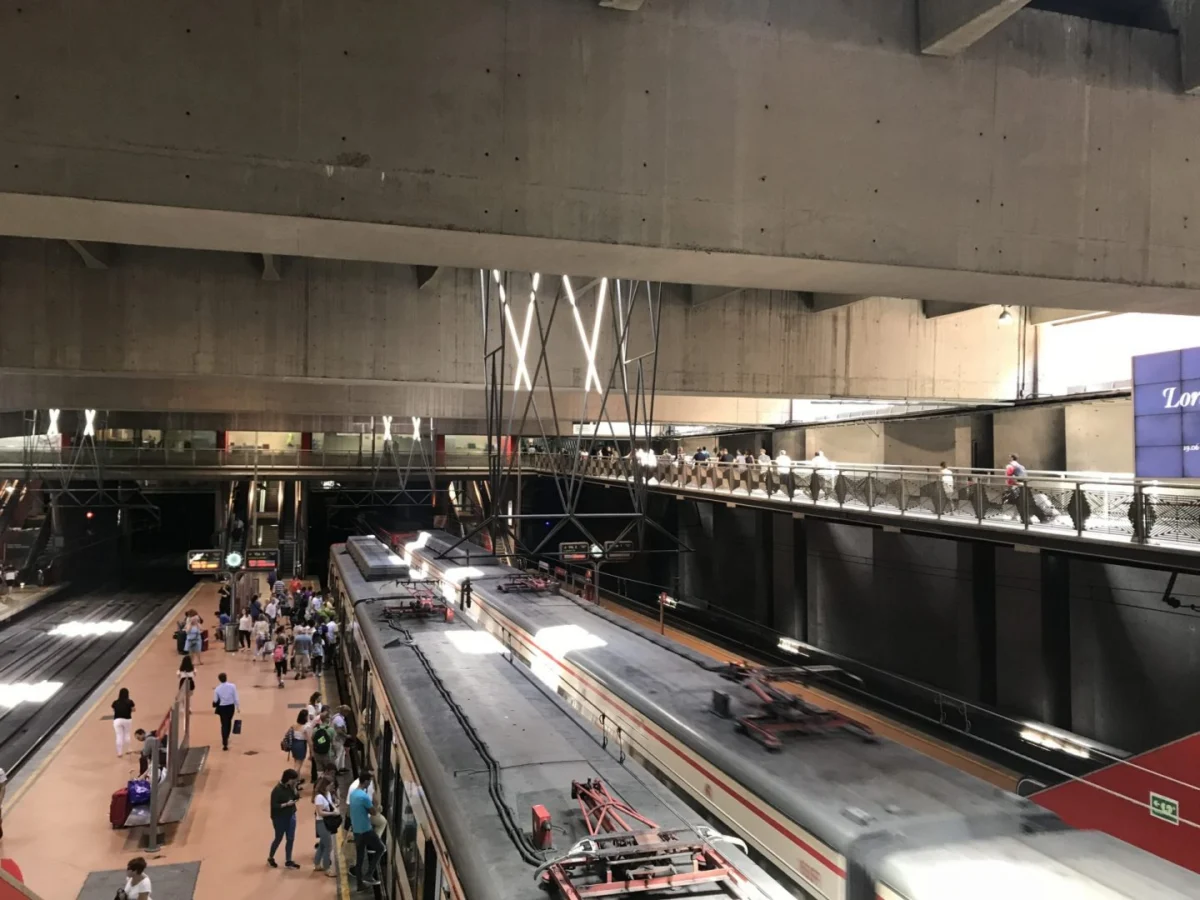
In the wake of the global health crisis and the escalating urgency of the climate emergency, three of the most influential voices in the transport sector—the International Association of Public Transport (UITP), the European Rail Supply Industry Association (UNIFE), and the International Union of Railways (UIC)—have forged a powerful coalition. Their collective mission is clear: to advocate for the prioritization of public transport and rail infrastructure as the cornerstone of Europe’s post-pandemic economic recovery and long-term environmental strategy.
As European policymakers look toward the Next Generation EU recovery fund and the implementation of the European Green Deal, these organizations are calling for a fundamental shift in how the continent views mobility. They argue that the future of Europe cannot be built on a reliance on individual, private vehicles; rather, it must be anchored in a seamless, multimodal, and electrified public transport network.
The Strategic Importance of Sustainable Mobility
The core argument presented by the coalition is that public transport is not merely a service for the public—it is an essential pillar of a sustainable society. The Covid-19 pandemic served as a stress test for the sector, proving its resilience and necessity even during the most challenging periods. However, moving forward, the focus must shift from survival to transformation.
"During the coronavirus pandemic, we have seen how the sector has stepped forward and stood strong during this crisis," says Mohamed Mezghani, Secretary General of UITP. "As we advocate for its future at every turn, we must continue to recognize the role it plays in delivering action on climate. Public transport and the environment are inextricably linked, and with a strong local network, emissions are lowered and our cities become healthier and more sustainable."
This sentiment is echoed by the broader rail industry. Philippe Citroen, Director General of UNIFE, emphasizes that the European Commission’s (EC) Multiannual Financial Framework (MFF) and the Next Generation EU proposals are vital instruments that must be leveraged specifically for the decarbonization of the transport sector. "This is only possible through a greater multimodal mobility shift with rail at its backbone," Citroen asserts.
Chronology of a Shifting Paradigm
To understand the current momentum, one must look at the recent timeline of European policy shifts:
- Pre-2020: The European Green Deal is introduced, setting the ambitious goal of making Europe the first climate-neutral continent by 2050.
- 2020: The Covid-19 pandemic strikes, severely impacting ridership and transport revenues. However, the crisis also highlights the essential nature of rail and public transit for essential workers and urban functionality.
- Late 2020/Early 2021: The European Commission unveils the Next Generation EU recovery package, signaling a move toward "building back better." The rail and transit associations begin their formal joint advocacy to ensure these funds are directed toward sustainable infrastructure.
- 2021: The European Year of Rail is launched, serving as a symbolic and practical platform to showcase the efficiency of rail travel and the need for a modernized, trans-European network.
- 2022–Present: The focus shifts to implementing the "Shift2Rail" objectives within the broader Horizon Europe research framework, emphasizing 5G connectivity, AI integration, and the digitalization of rail assets.
Supporting Data: The Case for Efficiency
The urgency of this transition is supported by compelling data regarding the environmental footprint of current travel modes. While the transport sector is responsible for roughly 22% of greenhouse gas (GHG) emissions, rail stands out as an exceptionally clean alternative.
The Efficiency Gap
Current statistics demonstrate a vast disparity in environmental impact between modes of transport:
- Modal Share: In Europe, railways account for 7.6% of passenger travel and 17.6% of freight, yet they are responsible for a mere 0.5% of the total GHG emissions from the transport sector.
- Energy Consumption: Urban rail networks are staggeringly efficient, consuming approximately 0.12 kWh per passenger-kilometer. In comparison, private cars are roughly seven times less energy-efficient in urban environments.
- Capacity and Volume: The inherent ability of rail to move vast numbers of people and goods using largely electric-powered rolling stock makes it the only viable solution for high-density, low-carbon urban growth.
The message is clear: if Europe is to achieve its climate neutrality goals, the modal shift from private vehicles to public rail transport is not optional—it is a mathematical necessity.
Official Responses and Strategic Vision
The joint statement released by the associations is not merely a request for funding; it is a call for a "new mobility paradigm." This vision encompasses several strategic pillars:

1. The Multimodal Revolution
The coalition argues that public transport must be reimagined as a "seamless" experience. Barriers to usage—such as fragmented ticketing, poor connections between rail and bus, or inefficient timing—must be dismantled. By placing rail as the "backbone" of a larger network, cities can create a user experience that prioritizes freedom, flexibility, and comfort over the convenience of a personal car.
2. Digitalization and Innovation
The future of transit lies in the intersection of physical infrastructure and digital intelligence. The industry is betting heavily on:
- Artificial Intelligence (AI): To manage traffic flows and anticipate passenger demand.
- Internet of Things (IoT): To monitor asset health and improve the efficiency of maintenance.
- 5G Telecommunications: A critical requirement for the next generation of autonomous rail vehicles and high-speed signaling systems.
3. Extending the "Shift2Rail" Legacy
The associations are pushing for the continuation of the Shift2Rail Joint Undertaking. By integrating this initiative into the Horizon Europe program, the sector aims to maintain an ambitious innovation cycle that can transform European transport into a global leader in sustainable technology.
Implications: The Path Toward Climate Neutrality
The implications of these proposals are profound for both the European economy and the daily lives of its citizens.
Reducing Urban Congestion
A transition to high-capacity rail and transit systems naturally leads to less congested cities. By reducing the number of individual vehicles on the road, cities can reclaim space currently reserved for parking and traffic, repurposing it for green spaces, cycling paths, and pedestrian areas. This directly improves the quality of life for urban residents.
Economic Resilience
Investing in rail is an investment in long-term economic stability. Developing the rail supply industry stimulates job creation in engineering, manufacturing, and software development. Furthermore, by reducing reliance on imported fossil fuels for private transport, the European economy becomes less susceptible to energy price shocks.
Addressing the Social Dimension
The coalition is keen to emphasize that sustainable mobility is not "synonymous with individual vehicles." There is a social mandate to ensure that all regions—metropolises, conurbations, and rural peripheries—are adequately connected. An equitable transport system prevents the isolation of outlying communities and ensures that the "Green Deal" is a benefit for all, not just those in affluent urban centers.
Conclusion: A Call to Action
The collaboration between UITP, UNIFE, and UIC represents a unified front that is rare in the transport sector. By aligning their voices, these organizations have provided a roadmap that links the immediate economic recovery of Europe with its long-term survival in the face of climate change.
The message to the European Union and its Member States is unequivocal: the time for incremental change has passed. To achieve climate neutrality, the continent must prioritize massive investment in rail and public transport infrastructure. This means fostering innovation, embracing the digital transition via 5G and AI, and—most importantly—ensuring that the public perceives the train, the bus, and the tram as symbols of a modern, free, and sustainable lifestyle.
As we look toward the remainder of the decade, the success of these initiatives will be measured not just in dollars or euros spent, but in the measurable reduction of carbon emissions, the efficiency of our cities, and the ability of our transport networks to serve the needs of a changing world. The "world of tomorrow" is currently being built in the rail yards, the design offices, and the legislative chambers of Europe. It is a world where public transport is not just an alternative—it is the default.

