

In a decisive move to reshape its urban landscape, the city of Timisoara has secured a pivotal financial agreement with the European Bank for Reconstruction and Development (EBRD). The EUR 20.3 million loan, slated for the 2020–2023 investment period, represents more than just an infrastructure upgrade; it is a fundamental shift toward sustainable, low-carbon mobility. By integrating international financing with European Union grants, Timisoara is positioning itself as a leader in Romania’s green transition, aiming to drastically reduce its carbon footprint while setting a new standard for public transport in the region.
The Pillars of Modernization: Scope and Objectives
The EBRD financing is not a standalone initiative but a critical component of a broader, multi-layered strategy to revitalize the city’s aging transit infrastructure. The investment is earmarked for three core pillars:
- Fleet Renewal: The procurement of state-of-the-art, low-floor electric trams designed to replace legacy rolling stock.
- Infrastructure Rehabilitation: The comprehensive upgrade of the T5 tram line, a vital artery in the city’s public transport network that had long suffered from underinvestment.
- Institutional Reform: The engagement of expert consultants to provide technical assistance, streamlining public transport management and implementing modern, data-driven mobility policies.
This comprehensive approach ensures that the physical hardware—the trams and tracks—is supported by the software of modern administrative practices. The ultimate goal is to move beyond mere maintenance and toward a holistic "Green City" model that prioritizes the user experience, energy efficiency, and long-term sustainability.
Chronology of Progress: From Vision to Reality
The current momentum is the result of years of planning and strategic procurement. Understanding the timeline of this project is essential to appreciating the scale of the commitment made by local and international stakeholders.
- 2019: The journey began in earnest with the signing of a landmark contract between the Timisoara City Council and the Turkish manufacturer Bozankaya. Valued at EUR 33 million, this contract mandated the supply of 16 cutting-edge, low-floor trams, with an option to procure 24 additional vehicles.
- 2020–2021: The city secured a EUR 51.8 million agreement with the West Regional Development Agency, specifically targeting the modernization of tram infrastructure and further vehicle procurement.
- June 2021: The first of the new Bozankaya trams arrived in Timisoara, signaling a tangible shift for commuters.
- October 2021: Following a rigorous series of successful trials, the new fleet received official approval for operation, marking a milestone in the city’s transition.
- 2020–2023: The EBRD funding window currently oversees the execution of the final phases of this infrastructure push, bridging the gap in funding to ensure all projects reach completion.
Financial Architecture: A Multi-Source Investment Strategy
The total investment program for Timisoara’s transit transformation is valued at approximately EUR 87.2 million. This substantial sum is the result of a complex "puzzle" of funding sources, designed to maximize impact while minimizing the burden on local taxpayers.
The EUR 20.3 million EBRD loan acts as a strategic "filler," covering the financing gap for priority infrastructure projects that were not fully captured by EU grant schemes. This is bolstered by a massive EUR 53.6 million grant provided by the European Union through the Regional Operational Programme (ROP) 2014–2020. The remaining balance consists of national contributions and specific technical cooperation funds.

By blending these sources, Timisoara has ensured that its capital expenditure is sustainable. The EBRD’s involvement goes beyond liquidity; it brings with it the rigorous standards of the Bank’s "Green Cities" program, ensuring that every cent spent is aligned with strict environmental and social benchmarks.
Official Perspectives: Aligning Local Policy with Global Standards
The project has garnered strong support from municipal leaders, who view it as the backbone of the city’s future economic development.
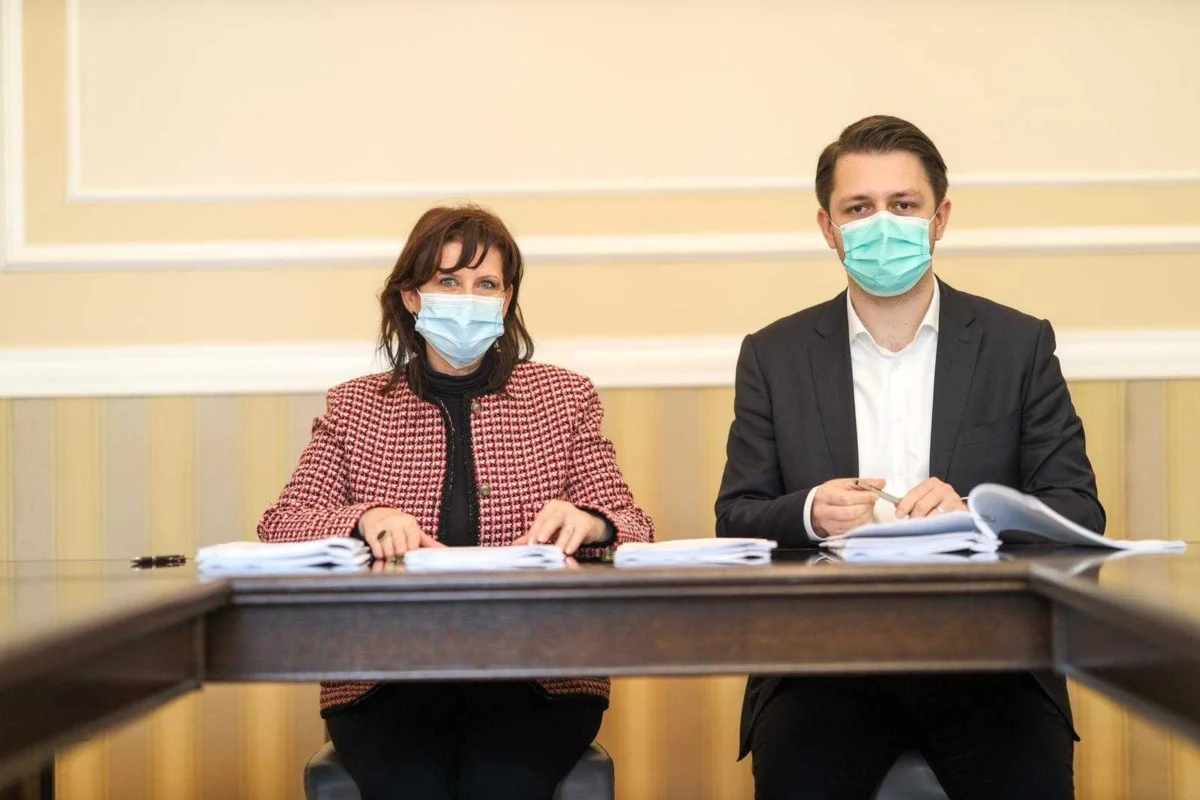
Ruben Latcau, the Deputy Mayor of Timisoara, highlighted the significance of the EBRD agreement: "This financial agreement will bring Timisoara closer to a green city concept which includes the mobility system. This is a strong signal that the city really wants to reform this sector."
For the local administration, the project is a manifestation of political will. By adopting the Green City Action Plan (GCAP), the city is committing to a trajectory of decarbonization that extends beyond transit. The partnership with the EBRD provides the technical expertise required to manage such a complex transition, ensuring that the city’s infrastructure does not merely function but thrives in an increasingly environmentally conscious European landscape.
The Environmental and Social Impact
The primary driver behind this investment is the urgent need to combat climate change at the local level. The modernization of the tram system is expected to deliver a 22.2 percent reduction in current transit-related emissions. In real terms, this equates to a reduction of roughly 683 tonnes of carbon dioxide equivalent per year.
Beyond Carbon: The Quality of Life Dividend
The benefits, however, extend well beyond CO2 statistics:
- Improved Accessibility: The new low-floor trams are designed for universal access, ensuring that elderly citizens and those with reduced mobility can navigate the city with dignity and ease.
- Reliability and Frequency: Modern track infrastructure and modern rolling stock significantly reduce downtime and maintenance-related service delays, making public transport a more attractive alternative to private car ownership.
- Economic Catalyst: Efficient public transport is a prerequisite for modern business. By linking residential hubs with industrial and commercial centers, the city creates a more fluid labor market and fosters regional economic integration.
Timisoara as a Model: Joining the EBRD Green Cities Network
The culmination of these efforts is Timisoara’s designation as the 53rd member of the prestigious EBRD Green Cities urban sustainability program. This is not merely an honorary title; it serves as a "trigger investment" that opens doors to further collaboration and investment opportunities.
The Green City Action Plan (GCAP) serves as a roadmap for the city. It prioritizes:
- Resilience: Designing infrastructure that can withstand the climate challenges of the 21st century.
- Efficiency: Maximizing the energy output of the electric grid to power a cleaner fleet.
- Integration: Ensuring that the tram system works in harmony with other modes of transport, including cycling and pedestrian walkways, to create a truly multimodal city.
Looking Toward the Future
As Timisoara concludes the 2020–2023 project cycle, the city stands at a crossroads. The transition to a modern, electrified public transport system is well underway, but the work of a "Green City" is never truly finished. The successful integration of Bozankaya’s technology and the structural rehabilitation of the T5 line provide a blueprint for other secondary cities in Romania and beyond.
The city’s ability to leverage EU grants alongside EBRD loans demonstrates a high level of fiscal maturity. By treating public transport as a core component of economic and environmental policy, Timisoara is effectively future-proofing its urban environment. As the new fleet continues to traverse the rehabilitated tracks, the residents of Timisoara will experience a cleaner, faster, and more inclusive city—one that proves that even historic urban centers can reinvent themselves for the sustainable age.
This project serves as a powerful reminder that when local political vision meets international financial support, the results are transformative. Timisoara is no longer just planning for the future; it is actively building it, one tram line at a time.

