

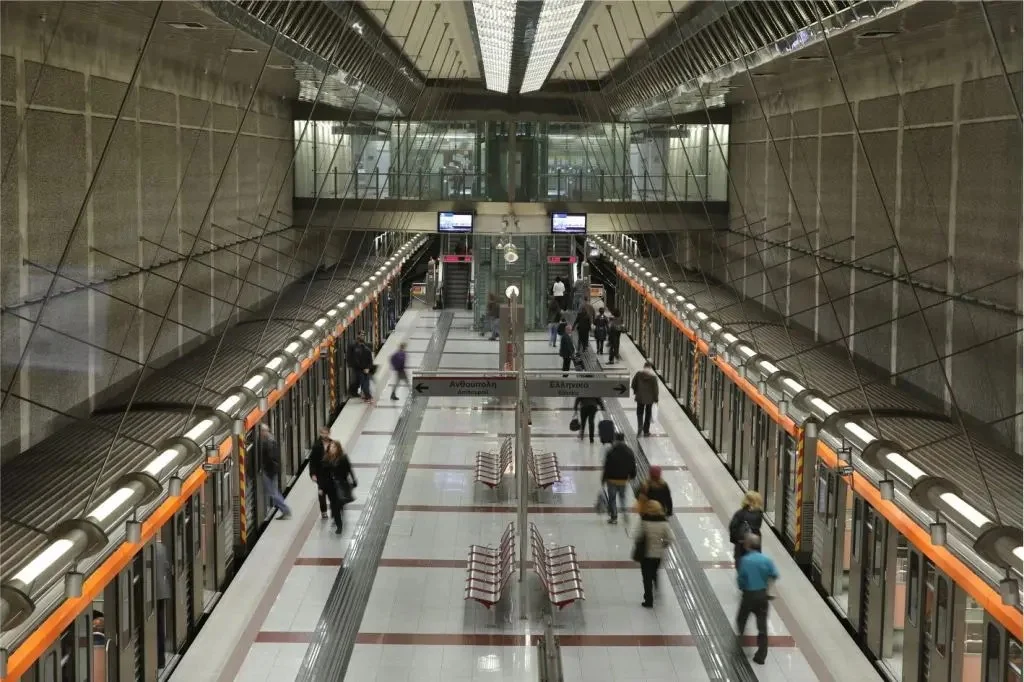
Athens, Greece – [Insert Current Date] – STASY, the urban transit operator responsible for the bustling metro and tram networks in the Greek capital, has initiated a pivotal tender for the comprehensive modernization of 12 first-generation trainsets operating on Lines 2 and 3 of the Athens Metro. This ambitious project, valued at an estimated €109 million (excluding VAT) and supported by the European “Transport 2021-2027” program, marks a significant commitment to enhancing passenger comfort, operational efficiency, and environmental sustainability. For the first time, these foundational trains, which have served the city for over a quarter-century, will be retrofitted with essential passenger air conditioning, alongside a suite of technological upgrades designed to extend their service life by at least another 25 years.
The announcement heralds a new era for a fleet that has been the backbone of Athens’ modern metro since its inception. These trains, the only ones across the entire network to operate without climate control in passenger areas, are set to undergo a near-complete overhaul. The initiative will not only address the longstanding issue of discomfort during Athens’ notoriously hot summers but also tackle critical operational challenges stemming from the trains’ advanced age and the increasing difficulty in sourcing replacement parts. With four of the 12 targeted trainsets currently out of service, the modernization program is poised to inject renewed vitality into the metro’s capacity, promising a more reliable, comfortable, and efficient commuting experience for millions of Athenians and visitors alike.
The Core of the Transformation: Main Facts and Immediate Impact
At the heart of STASY’s latest strategic move lies a comprehensive modernization program aimed at revitalizing a crucial segment of its rolling stock. The tender, which is expected to attract leading international railway technology firms, focuses on 12 trainsets, each comprising six railcars, totaling 72 individual vehicles. These are the inaugural trains introduced with the opening of Athens’ modern metro lines, having been in continuous service for approximately 26 years.
The most anticipated and immediately impactful change for the commuting public will be the installation of state-of-the-art air conditioning systems within all passenger cars. This upgrade addresses a critical gap in passenger amenities, especially pertinent in a city like Athens, where summer temperatures frequently soar, making public transport journeys without climate control exceptionally arduous. Once the project is complete, every train operating on the Athens Metro network will offer air-conditioned comfort, a fundamental improvement that aligns the network with contemporary urban transit standards found across Europe and beyond.
Beyond passenger comfort, the modernization extends to the very core of the trains’ operational capabilities. The project mandates the replacement of worn-out or technologically obsolete equipment, encompassing everything from propulsion systems to driver interfaces. Key technical upgrades include the integration of new-generation alternating current (AC) motors and power converters, replacing the older traction systems. These advanced components promise enhanced energy efficiency, reduced maintenance requirements, and improved operational reliability. Furthermore, critical systems such as braking, control, fault diagnosis, and electro-pneumatic door opening mechanisms will be thoroughly modernized. The driver’s consoles will also receive significant updates, ensuring a more intuitive and technologically advanced operating environment.
Financially, the €109 million investment underscores the strategic importance STASY places on maintaining a high-quality, sustainable public transport system. The funding mechanism through the European "Transport 2021-2027" program highlights the European Union’s commitment to supporting sustainable urban mobility initiatives within its member states, particularly those that enhance infrastructure and improve citizen quality of life. The ambitious timeline sees the bidding process concluding by the end of 2026, followed by a 36-month contract duration from signing. The first fully modernized and air-conditioned train is projected to return to service by 2028, with subsequent deliveries phased in thereafter. This phased approach will allow STASY to progressively introduce the upgraded fleet without significant disruption to existing services.
A Journey Through Time: Chronology of the Athens Metro and its First Fleet
The narrative of these first-generation trains is inextricably linked with the modern history of the Athens Metro itself. The extensive network, now an indispensable part of Athenian life, began its transformative journey in the run-up to the 2004 Olympic Games. While the city had an older, single-line electric railway, the modern Lines 2 and 3, featuring deeper tunnels and contemporary rolling stock, were inaugurated in January 2000, revolutionizing urban transit. The 12 trains now slated for modernization were part of this initial fleet, symbolizing a new era of connectivity and efficiency for the Greek capital.
For over two and a half decades, these trains diligently served millions of passengers, navigating the complex underground arteries of Athens. Their robust design ensured consistent service, becoming a familiar sight and sound for generations of commuters. However, the passage of time brings with it the inevitable challenges of wear and tear, technological obsolescence, and the evolving expectations of public transport users.
In recent years, STASY has faced increasing difficulties in maintaining these older trains. The original equipment, while durable, has reached the end of its projected lifecycle. Sourcing replacement parts for proprietary systems from the late 1990s has become progressively harder and more expensive, leading to extended downtime for maintenance and repairs. The fact that four of the 12 trainsets are currently out of service due to these challenges highlights the urgency and necessity of this modernization program. These idle trains represent a significant loss of operational capacity, impacting service frequency and overall fleet availability at a time when demand for public transport in Athens continues to rise.
The decision to embark on a comprehensive modernization, rather than outright replacement with new trains, is a strategic one, born from a careful evaluation of economic viability, environmental impact, and implementation timelines. While acquiring new trains offers the latest technology, it often entails higher upfront costs, longer procurement cycles, and potentially complex integration challenges. Modernizing existing assets, especially those with sound structural integrity, allows for a more cost-effective and faster pathway to fleet enhancement, while also promoting a circular economy approach by extending the life of valuable infrastructure.
The timeline for the modernization reflects a meticulously planned process. The current phase, the launch of the tender, is a critical step in identifying qualified contractors capable of delivering such a complex project. The projected completion of the bidding process by the end of 2026 indicates a thorough evaluation period, ensuring that STASY selects a partner with proven expertise in railway rolling stock refurbishment. Once a contract is awarded, the 36-month duration signifies an intensive period of engineering, manufacturing, and installation. The anticipated return of the first modernized train in 2028 will serve as a tangible milestone, offering the first glimpse of the transformed fleet and a testament to STASY’s forward-looking strategy. Subsequent trains will then be cycled through the modernization process, progressively enhancing the overall quality of service.
Deeper Dive: Supporting Data, Technical Innovations, and Financial Framework
The €109 million investment in modernizing these 12 trainsets is not merely about extending their lifespan; it is about fundamentally upgrading their performance, safety, and passenger experience. The scope of work detailed in the tender is extensive, covering both the visible aspects that passengers will appreciate and the underlying technical systems crucial for efficient operation.
Technical Innovations for a Modern Metro:
- Air Conditioning Systems: The retrofitting of air conditioning is a complex engineering task. It requires careful consideration of power supply, weight distribution, structural integration within the existing railcar shells, and the dissipation of heat generated by the units. The new systems will be designed for optimal energy efficiency, ensuring they provide effective cooling without unduly increasing operational costs or compromising the train’s performance. This upgrade is particularly vital given the increasing frequency and intensity of heatwaves in the Mediterranean region, making air conditioning a fundamental necessity rather than a luxury for urban commuters.
- New Motors and Traction Systems: The shift from older traction systems to new-generation AC motors and power converters represents a significant technological leap. AC motors are inherently more energy-efficient, offer better torque control, and are generally more compact and lighter than their older DC counterparts. This transition will lead to tangible benefits:
- Energy Efficiency: Expect substantial energy savings, potentially in the range of 15-25% per train, reducing STASY’s operational electricity consumption and carbon footprint.
- Reduced Maintenance: AC motors and modern power electronics typically have fewer moving parts and are more reliable, leading to lower maintenance requirements and reduced downtime.
- Smoother Operation: Passengers will experience smoother acceleration and braking, contributing to a more comfortable ride.
- Regenerative Braking: Modern traction systems often incorporate regenerative braking capabilities, where energy generated during braking is fed back into the electrical grid, further enhancing energy efficiency.
- Advanced Control and Fault-Diagnosis Systems: The modernization will introduce digital, networked control systems that offer enhanced precision and responsiveness. New fault-diagnosis systems will allow for real-time monitoring of train performance, enabling predictive maintenance rather than reactive repairs. This translates to fewer unexpected breakdowns, improved reliability, and more efficient allocation of maintenance resources. Drivers will benefit from modernized consoles featuring ergonomic layouts and integrated digital displays, providing comprehensive information about the train’s status and operational parameters.
- Electro-Pneumatic Door Systems: Upgrading the door mechanisms will ensure smoother, quieter, and more reliable operation. Modern systems often include enhanced safety features, such as obstruction detection and pressure sensors, to prevent accidents and improve passenger flow during boarding and alighting.
- Interior Refurbishment and Accessibility: Beyond air conditioning, the interior of the trains will undergo a comprehensive refresh. While specific details on seating materials and lighting are yet to be fully disclosed, it is highly probable that new, durable, and aesthetically pleasing materials will be used for seating, complemented by energy-efficient LED lighting. Crucially, the project explicitly mentions the provision of special spaces for wheelchair users, signifying a commitment to improving accessibility for all passengers, aligning with modern inclusive design principles for public transport. Improved passenger information systems, including digital displays and enhanced audio announcements, are also likely to be part of the interior upgrades.
Financial Framework and European Support:

The estimated budget of €109 million, excluding VAT, is a substantial investment that underscores the long-term vision for Athens’ public transport. The funding mechanism through the European "Transport 2021-2027" program is a critical enabler. This program is part of the broader European Union cohesion policy, designed to foster economic, social, and territorial cohesion by supporting investments that contribute to smart, sustainable, and inclusive growth. For the transport sector, the program prioritizes projects that enhance connectivity, promote sustainable mobility, improve safety, and reduce environmental impact.
STASY’s modernization project perfectly aligns with these objectives by:
- Promoting Sustainable Mobility: By extending the life of electric trains and improving their energy efficiency, the project directly supports the shift away from private vehicle use, reducing emissions and urban congestion.
- Enhancing Connectivity and Accessibility: A more reliable and comfortable metro service encourages greater ridership, making public transport a more attractive option for a wider segment of the population, including those with mobility challenges.
- Investing in Green Infrastructure: The focus on energy-efficient systems contributes to Greece’s and the EU’s climate targets.
From a cost-benefit perspective, modernizing these trains often presents a more economically viable solution than purchasing entirely new rolling stock. While new trains can cost upwards of €2-3 million per car, a comprehensive modernization, even at €1.5 million per car (72 cars x €1.5M = €108M), offers significant savings while delivering comparable functional benefits for another 25 years. This approach optimizes the lifecycle cost of the assets and allows for quicker implementation compared to the multi-year process of designing, manufacturing, and testing new trains.
Official Responses: Voices on the Future of Athenian Mobility
The announcement has been met with enthusiasm from STASY leadership, Greek government officials, and European Union representatives, all highlighting the multifaceted benefits of this significant investment.
Mr. Athanasios Kotopoulos, CEO of STASY S.A., emphasized the passenger-centric nature of the project. "This modernization is not just about extending the life of our trains; it’s about fundamentally enhancing the daily commute for hundreds of thousands of Athenians," Kotopoulos stated in a recent press briefing. "The installation of air conditioning addresses a long-standing need and a key request from our passengers, especially during the challenging summer months. Coupled with the extensive technical upgrades, these trains will not only be more comfortable but also more reliable, energy-efficient, and fully equipped to serve our city for decades to come. It’s a clear testament to STASY’s unwavering commitment to providing a world-class public transport experience."
A spokesperson from the Greek Ministry of Infrastructure and Transport underscored the strategic importance of the investment for national infrastructure development. "This significant investment, backed by European funds, underscores Greece’s commitment to a modern, efficient, and environmentally friendly public transport network," the spokesperson commented. "The Athens Metro is a vital artery of our capital, and ensuring its continued operational excellence is a national priority. By refurbishing existing assets and integrating cutting-edge technology, we are not only improving urban mobility but also setting a precedent for sustainable infrastructure management across the country. This project will create jobs, stimulate the economy, and, most importantly, improve the quality of life for our citizens."
From Brussels, a representative of the European Commission’s Directorate-General for Mobility and Transport highlighted the project’s alignment with broader EU goals. "The ‘Transport 2021-2027′ program is designed to foster sustainable mobility solutions across Europe, and Athens’ metro modernization is a prime example of how these investments translate into tangible benefits for citizens," the representative noted. "By supporting projects that prioritize energy efficiency, accessibility, and passenger comfort, the European Union is helping member states build resilient and green transport systems that contribute to our climate targets and enhance social cohesion. This initiative in Athens showcases the power of European collaboration in delivering tangible improvements to urban environments."
Broader Horizons: Implications for Athens, Urban Mobility, and Sustainability
The modernization of these 12 first-generation Athens Metro trains carries profound implications that extend far beyond simply upgrading a fleet. It represents a strategic investment in the future of urban mobility in Athens, with ripple effects across passenger experience, operational efficiency, environmental sustainability, and the city’s overall liveability.
Enhanced Passenger Experience and Inclusivity:
The most immediate and tangible impact will be on the daily lives of metro passengers. The introduction of air conditioning will transform journeys, particularly during the intense Greek summer. This comfort enhancement is crucial for maintaining and increasing ridership, making public transport a more attractive and viable alternative to private vehicles. Furthermore, the explicit inclusion of dedicated spaces for wheelchair users underscores a commitment to making the metro accessible to all segments of the population, fostering greater social inclusion and independence for individuals with mobility challenges. Improved interiors, new lighting, and advanced passenger information systems will collectively contribute to a more pleasant, informative, and safer commuting environment.
Operational Excellence and Economic Efficiency:
For STASY, the modernization means a significant boost in operational efficiency and fleet availability. Returning the four currently out-of-service trains to active duty will immediately increase network capacity, potentially allowing for improved service frequencies and reduced waiting times, especially during peak hours. The new traction systems, with their enhanced energy efficiency and lower maintenance requirements, will lead to substantial operational cost savings over the next 25 years. Reduced downtime due to fewer breakdowns and easier diagnostics will also free up maintenance resources, allowing STASY to optimize its fleet management strategies and ensure greater reliability across the entire network. This proactive approach to asset management will safeguard the long-term viability and quality of the Athens Metro.
Environmental Stewardship and Urban Sustainability:
This project is a clear step towards Athens’ broader environmental and sustainability goals. By extending the life of electric trains and upgrading them with energy-efficient components, STASY is directly contributing to a reduction in the city’s carbon footprint. The shift to more efficient AC motors and the potential for regenerative braking will lower electricity consumption, aligning with national and European efforts to combat climate change. Encouraging greater use of public transport through enhanced comfort and reliability inherently reduces reliance on private cars, leading to decreased traffic congestion, lower air pollution, and a quieter urban environment. This modernization positions the Athens Metro as a leader in sustainable urban mobility, demonstrating how existing infrastructure can be adapted to meet contemporary environmental challenges.
Setting a Precedent for Future Infrastructure Investment:
The successful execution of this modernization project could serve as a valuable blueprint for future upgrades of other aging public transport assets in Greece and indeed, across Europe. It demonstrates the economic and environmental benefits of strategic refurbishment over wholesale replacement, particularly when dealing with well-built foundational infrastructure. It also showcases the power of European funding in enabling such transformative projects, fostering collaboration and knowledge transfer within the EU.
In conclusion, STASY’s tender for the modernization of its first-generation metro trains is more than just a procurement exercise; it is a forward-looking vision for the Athens Metro. It promises a cooler, more comfortable, and accessible journey for passengers, while simultaneously delivering significant operational efficiencies and environmental benefits. As Athens continues to grow and evolve, this landmark investment ensures that its metro network remains a modern, reliable, and sustainable cornerstone of urban life for decades to come. The first modernized train, expected in 2028, will not just be a refurbished vehicle; it will be a symbol of Athens’ commitment to a greener, more comfortable, and more connected future.

