

In a strategic consolidation of its global service footprint, Spanish rolling stock manufacturer Construcciones y Auxiliar de Ferrocarriles (CAF) has announced the acquisition of four major maintenance contracts across Italy, Spain, Brazil, and Colombia. Valued at approximately €40 million, these agreements underscore the company’s pivot toward high-value, long-term lifecycle management, ensuring the operational continuity and safety of critical urban transit systems on two continents.
By securing these mandates, CAF continues to reinforce its reputation as a comprehensive rail solutions provider—moving beyond the role of a traditional manufacturer to act as an indispensable partner in the day-to-day maintenance of global metropolitan transit networks.
Main Facts: A Global Maintenance Offensive
The contracts represent a diverse geographical and technical scope, covering both light rail (tram) systems and heavy suburban rail infrastructure. The agreements span durations of two to five years and involve the oversight of various vehicle classes, including the company’s signature Urbos fleet.
- Palermo, Italy: A 4-year contract for the maintenance of 17 trams across four lines.
- Málaga, Spain: A 5-year extension for long-cycle inspections of 14 Urbos 3 tram units.
- São Paulo, Brazil: A 4-year contract for the maintenance of 8 suburban trains on Line 10 of the CPTM network.
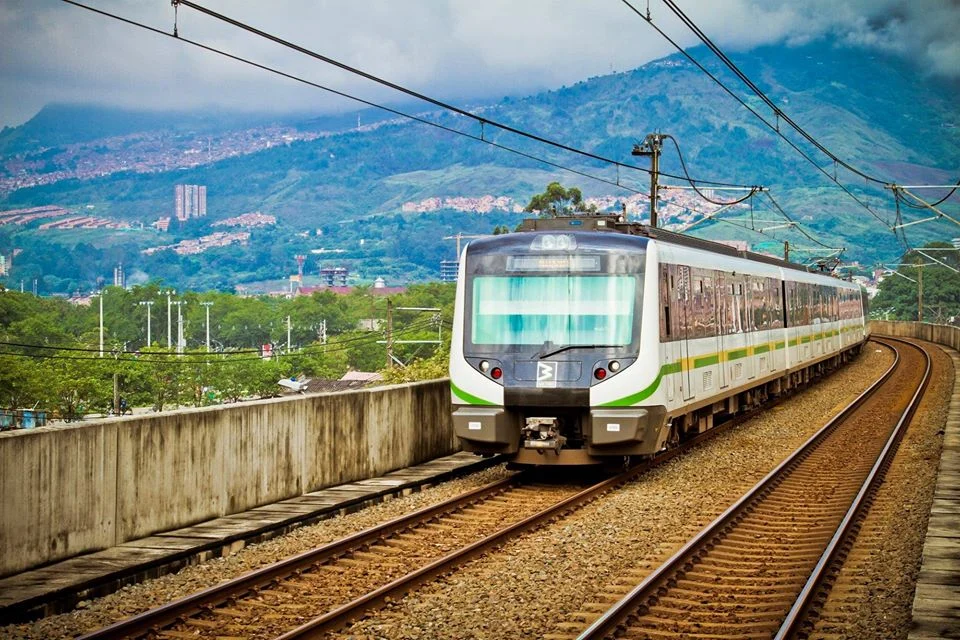
- Medellín, Colombia: A 2-year contract for the long-cycle maintenance of 35 metro trainsets.
Chronology: Building Decades of Trust
The success of these latest contract awards is not an overnight development but the result of sustained long-term relationships fostered by CAF over the past fifteen years.
The Foundation of Partnership (2010–2015)
The relationship between CAF and its partners is deeply rooted in history. In Málaga, the collaboration dates back to 2010, when the Spanish manufacturer delivered the first tram units to the Metro de Málaga network. This initial procurement set the stage for a decade of technical support and iterative improvements. Similarly, the infrastructure in Palermo has been under the operational lens of the tram network since 2015, establishing a baseline of reliability that necessitated continued cooperation.
The Expansion Phase (2011–2012)
In the South American market, specifically in São Paulo, the current maintenance contract for the CPTM fleet finds its origin in the 2011–2012 manufacturing window. During this period, CAF supplied the suburban trains that would eventually become the backbone of Line 10. By maintaining its own manufactured units, CAF ensures that the original engineering specifications are upheld, preventing the performance degradation often associated with third-party servicing.
Present Day: The Service-Led Growth Strategy
These recent wins (2020) mark the transition of the company’s business model from a "delivery-and-exit" approach to a "cradle-to-grave" lifecycle management model. By securing these renewals and new maintenance mandates, CAF is effectively insulating itself against the volatility of the global rolling stock procurement market, ensuring a steady revenue stream derived from recurring service contracts.
Supporting Data: Infrastructure and Technical Scope
The operational logistics of these contracts are vast, requiring a localized workforce and high-level technical expertise.
Italy: The Palermo Consortium
In Sicily, CAF has formed a strategic joint venture with EDS Infrastrutture to satisfy the requirements of AMAT, the transport operator of Palermo. The maintenance work will be performed at the operator’s specialized workshops in Roccella and Leonardo. While CAF Italia oversees the rolling stock maintenance, the inclusion of EDS Infrastrutture provides a holistic approach to the system, as they are tasked with the critical maintenance of the tramway infrastructure itself.
Spain: The Málaga Extension
The five-year extension in Málaga is perhaps the most significant in terms of operational duration. The Urbos 3 fleet, known for its modular design and energy efficiency, requires rigorous "long cycle" inspections. These are not merely routine checks; they involve the complete teardown and recalibration of core mechanical and electronic components to ensure the vehicles meet modern safety and efficiency standards as they enter their mid-life operational phase.
Brazil: The São Paulo CPTM Network
The contract with the Companhia Paulista de Trens Metropolitanos (CPTM) represents a critical pillar of urban transit in the State of São Paulo. The CPTM network is a massive undertaking, managing seven lines across 270 kilometers of track and serving approximately 2.9 million passengers every single day. The 8 suburban units under the new contract are serviced at the Lapa facility, located in the western district of the municipality. This facility serves as a nerve center for the region’s transit reliability.

Colombia: The Medellín Metro
In Colombia, the focus is on the scale of the fleet. The Medellín Metro has entrusted CAF with the maintenance of 35 trainsets. Given the mountainous terrain of the Medellín Valley and the unique stresses this places on braking and propulsion systems, the long-cycle reviews are essential to maintaining the high availability rates the metro system demands.
Official Perspectives: The Value of Lifecycle Management
While official press statements from the involved agencies have been brief, they emphasize a singular priority: Systemic Reliability.
Representatives from CPTM have noted that the decision to continue the partnership with CAF is rooted in the "technical familiarity" of the original equipment manufacturer (OEM). By leveraging the specialized knowledge of the CAF Brazil subsidiary, CPTM reduces the risk of operational downtime. For the passenger, this translates to fewer delays and a more consistent service experience.
Industry analysts suggest that for CAF, these contracts are a masterclass in risk management. By maintaining the units they designed, the company minimizes the liabilities associated with potential mechanical failures. Furthermore, the localization of these services—utilizing local workshops in Lapa and Sicily—creates a symbiotic relationship between the manufacturer and the local economy, fostering job creation and knowledge transfer.
Implications: A Strategic Shift in the Rail Industry
The announcement of these four contracts carries significant weight for the broader rail sector.
1. The "As-a-Service" Rail Model
The move toward long-term maintenance contracts reflects a global shift in the rail industry toward the "Mobility-as-a-Service" (MaaS) philosophy. Transit operators are increasingly reluctant to manage complex technical maintenance in-house, preferring to outsource these tasks to the OEM. This creates a "sticky" business environment where CAF becomes embedded in the operational fabric of these cities.
2. Economic Resilience
In an era of economic uncertainty, service contracts provide a buffer. While the sale of new trains is subject to the cyclical nature of public infrastructure budgets, the maintenance of existing fleets is mandatory. By diversifying its portfolio across four distinct national markets, CAF protects its revenue streams from being overly dependent on the political or economic stability of any single country.
3. Sustainability and Lifecycle Efficiency
Modern rail procurement is increasingly focused on sustainability. Maintaining trains rather than replacing them aligns with circular economy goals. By extending the operational life of the Medellín metro trainsets or the São Paulo suburban units through rigorous long-cycle maintenance, CAF helps operators avoid the massive carbon footprint associated with the manufacturing and disposal of entirely new rolling stock.
4. Competitive Positioning
With this €40 million injection into its service division, CAF is signaling to competitors—such as Alstom, Siemens, and Stadler—that it is prepared to aggressively defend its share of the maintenance market. The ability to manage infrastructure (as seen in the Palermo consortium) alongside rolling stock gives CAF a competitive advantage, allowing them to offer "full-system" maintenance packages that smaller, specialized players cannot match.
Conclusion: Looking Toward the Future
As urban populations continue to swell, the pressure on metropolitan transit networks will only intensify. The reliance on systems like the Medellín Metro or the São Paulo CPTM lines is set to grow, making the maintenance of these assets a matter of public necessity rather than mere convenience.
CAF’s success in securing these contracts demonstrates that the future of the rail industry lies in the intelligent, data-driven, and long-term stewardship of existing infrastructure. By bridging the gap between historical manufacturing expertise and future-facing maintenance requirements, CAF has secured its position as a pillar of global public transit. As these contracts commence, the eyes of the industry will be on the company’s ability to execute these services with the same precision with which they construct their trains, ensuring that millions of daily commuters continue to travel safely and efficiently.

