

Executive Summary: A New Era for Rail Maintenance in the Baltics
In a significant move that underscores the ongoing transformation of the Baltic rail sector, the Czech-based Škoda Group has officially acquired a 36 per cent stake in the Latvian railway engineering firm SIA L-Ekspresis. This strategic investment is not merely a capital infusion; it represents a foundational shift in how rolling stock maintenance and modernization will be managed across the Baltic region.
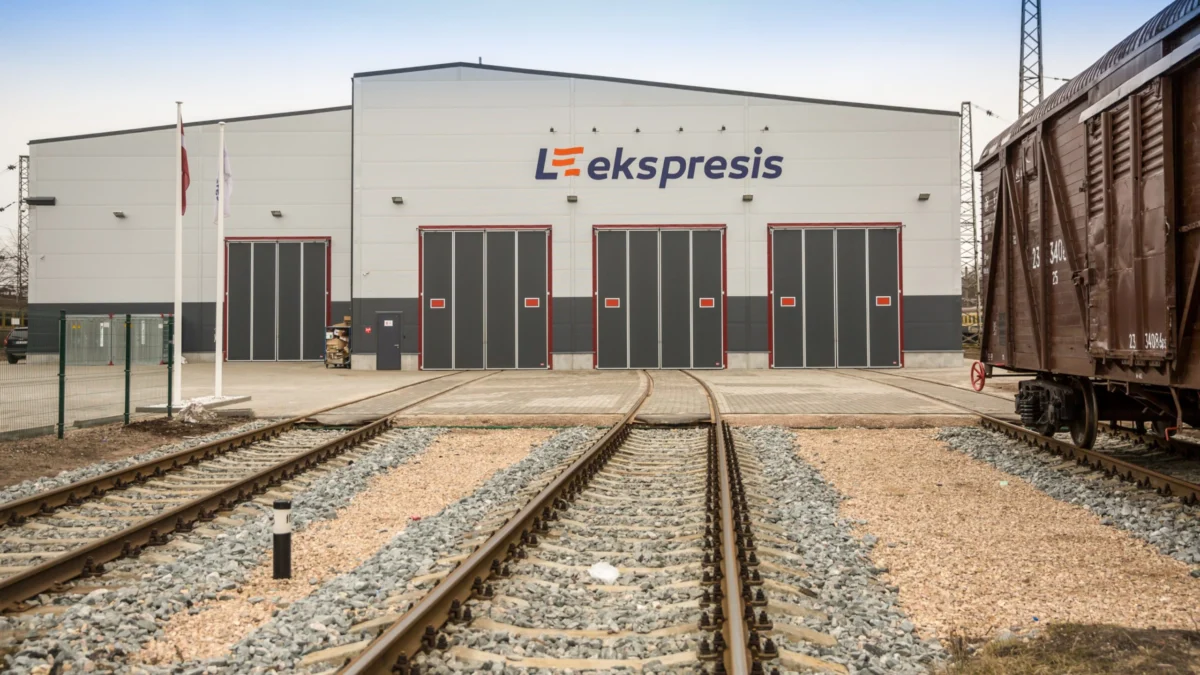
L-Ekspresis, a veteran in the industry with over three decades of localized experience, specializes in the comprehensive repair, maintenance, and modernization of rail vehicles. By integrating its local operational excellence with Škoda’s global technological prowess, the two entities aim to establish Riga as the primary hub for railway maintenance in Northern Europe. Furthermore, the agreement includes a significant provision: a call option allowing the Škoda Group to acquire the remaining 64 per cent of the company by the end of 2028, signaling a long-term commitment to full integration.
Chronology: From Cooperation to Consolidation
The partnership between Škoda Group and L-Ekspresis is built upon years of successful project collaboration rather than a sudden merger. To understand the gravity of this acquisition, it is essential to look at the timeline of their professional relationship:
- Early Synergy (2015–2020): As Škoda Group began aggressively bidding for contracts in the Baltic states, they sought local partners capable of handling specialized technical tasks. L-Ekspresis, with its established infrastructure in Riga, became a natural ally for maintenance support.
- The Latvian Electric Train Project (2022–2023): As Škoda began the rollout of its 16Ev electric trains for the Latvian national operator, the collaboration deepened. L-Ekspresis played a pivotal role in the onsite technical support and post-delivery servicing required to ensure the seamless introduction of the new fleet.
- Expansion into Estonia (2024): With the delivery of electric trains to the Estonian operator Elron, the scale of operations necessitated a more robust service network. The success of this cross-border collaboration highlighted the efficiency of the Riga-based technical team.
- The Strategic Investment (September 2026): The formal acquisition of the 36 per cent stake was finalized, marking the transition from a client-contractor relationship to a strategic partnership. This milestone is intended to standardize maintenance protocols across the Baltic corridor.
Supporting Data: A Landscape of Modernization
The Baltic states—Latvia, Estonia, and Lithuania—have undergone a massive rail modernization program over the last decade, moving away from legacy Soviet-era rolling stock toward modern, energy-efficient, and digital-ready fleets. Škoda Group has been the primary architect of this transition.
The Latvian Portfolio
Latvia has been the focal point of Škoda’s investment. Currently, 32 of the state-of-the-art Škoda 16Ev electric trains are in active service, significantly improving passenger experience and reducing carbon emissions. Beyond these units, Škoda has secured a contract for nine battery-powered trains, with an option for an additional seven. These battery-electric units are critical for the electrification of non-catenary lines, ensuring that the rail network remains flexible and sustainable.
The Estonian Expansion
In Estonia, the presence of Škoda is equally robust. Having already delivered 16 electric trains to the national operator Elron, the company is now preparing for the delivery of 40 Battery Multiple Units (BMUs) to Tallinn in 2026. These units are designed to operate both on electrified tracks and on lines currently powered by diesel, bridging the gap toward full electrification.
The Lithuanian Context
While the focus of the L-Ekspresis deal is on heavy rail, the Škoda Group has also demonstrated its influence in the Lithuanian public transport sector. The successful completion of the delivery of high-capacity, modern trolleybuses to Vilnius serves as a testament to the Group’s ability to handle diverse rolling stock projects, further solidifying their brand reputation in the region.
Official Responses and Strategic Vision
The leadership of the Škoda Group has been transparent about the rationale behind this investment. In a formal statement following the announcement, Petr Novotný, CEO of the Škoda Group, emphasized that this move is a deliberate step in the company’s "service-first" business model.
"Our investment in L-Ekspresis is a natural step in our strategy to develop our service business," said Novotný. "We want to build on solid local capabilities, whilst bringing our technological know-how and experience to the regions where we operate."

From the perspective of L-Ekspresis, the partnership offers a pathway to scaling its operations. By gaining access to Škoda’s R&D facilities and global supply chain, the Latvian firm is expected to transition from a regional player to a center of excellence for rail maintenance. Industry analysts suggest that this integration will allow L-Ekspresis to adopt advanced diagnostic software, AI-driven predictive maintenance, and modern rolling stock repair techniques that were previously inaccessible to smaller, independent service providers.
Implications: The Future of the Baltic Rail Hub
The acquisition carries profound implications for the rail industry, both in Latvia and the wider Baltic region.
1. The Development of a Regional Service Hub
By centralizing maintenance in Riga, the Škoda Group aims to create a "one-stop-shop" for regional operators. Currently, rail operators often have to rely on third-party contractors or send rolling stock back to the original manufacturer’s central facility, which is both costly and time-consuming. Having a high-capacity facility in Riga will reduce downtime for train operators, allowing for a more reliable and frequent passenger service.
2. Standardization of Technology
As the Baltic states work toward interoperability, the standardization of maintenance procedures becomes vital. By utilizing the L-Ekspresis facility as a standard-bearer for all Škoda-built equipment, the region will benefit from a unified approach to safety checks, software updates, and hardware upgrades. This is particularly important for the deployment of the next generation of battery-powered and hydrogen-ready trains.
3. Economic Impact and Job Creation
The strengthening of the L-Ekspresis facility will necessitate an increase in skilled labor. The region is expected to see a rise in demand for electrical engineers, software technicians, and mechanical specialists. The Škoda Group has indicated that they intend to invest in local training programs, ensuring that the Baltic workforce remains at the cutting edge of rail technology.
4. Long-Term Strategic Consolidation
The call option for the remaining 64 per cent of the company is a clear signal of intent. By 2028, should the market conditions prove favorable and the integration proceed as planned, Škoda will likely assume full ownership. This would effectively turn the Latvian firm into a Škoda subsidiary, fully aligned with the corporate strategy of the parent company. This long-term horizon allows for a phased integration, mitigating risks while ensuring that the transition is seamless for existing clients.
Conclusion: A Blueprint for European Rail Growth
The investment by the Škoda Group into L-Ekspresis serves as a blueprint for how international manufacturers can penetrate and thrive in regional markets. By prioritizing local expertise and infrastructure rather than attempting to displace local firms, Škoda has secured a dominant position in the Baltic rail ecosystem.
As the region continues its aggressive move toward sustainable, electric, and battery-powered rail transport, the importance of reliable maintenance infrastructure cannot be overstated. With the combined forces of the Škoda Group’s global engineering capacity and the seasoned, locally-rooted technical team at L-Ekspresis, the Baltic states are well-positioned to lead the way in modern, efficient, and reliable rail travel. The coming years will undoubtedly see this Riga-based hub evolve into a critical node in the broader European transport network, setting a high standard for maintenance, repair, and operational excellence.

