

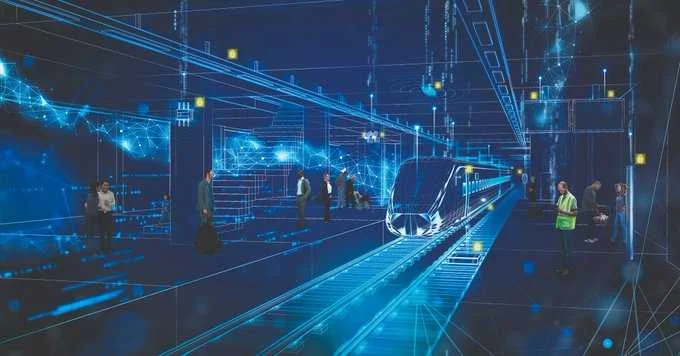
In an era defined by the rapid digitalization of global transit infrastructure, the sanctity of passenger safety and operational uptime has become inextricably linked to cyber resilience. Recognizing this critical intersection, Siemens Mobility, a titan in the global transport sector, has officially announced a landmark cooperation agreement with RazorSecure, a premier specialist in railway-focused cyber security. This partnership is set to redefine the standards of rolling stock protection, ensuring that the increasingly connected veins of our transit networks remain impervious to the sophisticated digital threats of the 21st century.
The Convergence of Expertise: A Strategic Overview
The collaboration between Siemens Mobility and Basingstoke-based RazorSecure is more than a mere commercial contract; it is a synergistic integration of industrial scale and specialized innovation. By pooling their collective knowledge, the two entities aim to secure the complex, interconnected transport systems that underpin modern society.
At its core, the agreement integrates RazorSecure’s cutting-edge behavioral monitoring technology into the vast, sophisticated Siemens Mobility ecosystem. RazorSecure brings to the table a proprietary suite of solutions that continuously monitor the behavior of individual systems and traffic patterns across an entire rail network in real-time. When paired with Siemens Mobility’s Railigent—a market-leading digital asset management system—this partnership creates a robust, end-to-end defense mechanism for operators worldwide.
The partnership operates under the umbrella of Siemens Mobility’s "Alliance for Availability," an ambitious initiative designed to solve the inherent complexity of modern rail operations through cross-industry collaboration. By bringing together suppliers, operators, academic institutions, and niche technology providers, the Alliance seeks to foster an open ecosystem where data-driven insights and security protocols can be shared to fortify the rail industry against both known and emerging vulnerabilities.
Chronology of Digital Transformation in Rail
The rail industry’s transition from mechanical reliance to digital dependency has been a gradual, yet accelerating, process. For decades, railway safety was defined by physical interlocks and manual oversight. However, the rise of the Internet of Things (IoT) and the integration of cloud-based diagnostics have transformed trains into "data centers on wheels."
- Early 2010s: Rail operators began adopting predictive maintenance tools, leading to the first significant exposure of rolling stock to external networks.
- 2018-2020: As cyber threats against critical national infrastructure (CNI) became more frequent globally, the rail sector recognized that legacy security measures were insufficient for modern, software-defined trains.
- 2021: Siemens Mobility began actively expanding its "Alliance for Availability," identifying that the sheer scale of global rail operations necessitated a partner ecosystem to address security gaps.
- Late 2021: Negotiations between Siemens Mobility and RazorSecure culminated in the formalization of their cooperation agreement, marking a pivotal moment in the industry’s approach to onboard cybersecurity.
- Present Day: The partnership continues to scale, integrating advanced anomaly detection into existing Siemens fleets and setting the stage for future-proofed, cyber-resilient rolling stock design.
Supporting Data: The Anatomy of Rail Cyber Threats
The necessity of this partnership is underscored by the unique vulnerability profile of the rail industry. Unlike traditional IT environments, rail systems involve "Operational Technology" (OT) that must function with near-zero latency and 100% reliability.
The Challenge of Legacy and Modernity
Modern trains are complex, multi-vendor environments. A single trainset might feature signaling systems from one manufacturer, HVAC systems from another, and passenger information displays (PIDs) managed by a third. Each interface creates a potential entry point for a malicious actor. According to industry security benchmarks, the primary threats facing rolling stock include:
- Unauthorized Access to Signaling Networks: Potential interference with train control systems.
- Man-in-the-Middle Attacks: Interception of diagnostic data transmitted from the train to the depot.
- Endpoint Vulnerabilities: The increasing number of smart sensors providing real-time data to platforms like Railigent creates a larger "attack surface."
RazorSecure’s approach specifically addresses these threats by focusing on behavioral baselining. By learning the "normal" traffic patterns of a train’s internal network, the software can instantly flag anomalies—such as an unauthorized device attempting to communicate with the braking system or a surge in traffic on the passenger Wi-Fi segment—before they cascade into operational disruptions.
Official Perspectives: Aligning Vision and Execution
The cooperation is built on a shared philosophy: that cybersecurity is not a "bolt-on" feature, but a fundamental pillar of availability.
Alex Cowan, CEO of RazorSecure
Reflecting on the partnership, Alex Cowan highlighted the bespoke nature of their technology. "The rail industry needs innovative solutions that are designed specifically for its unique challenges," Cowan stated. "By partnering with Siemens Mobility, we are able to collaborate and build on our product portfolio with the rail cybersecurity expertise, to offer the best comprehensive solutions that enhance the protection of rolling stock."
Cowan’s focus remains on the "bespoke" aspect of the partnership. By tailoring their intrusion detection systems specifically for the protocols used in rail signaling and rolling stock management, RazorSecure avoids the high false-positive rates that often plague standard enterprise-grade security tools.

Johannes Emmelheinz, CEO Customer Service at Siemens Mobility
For Siemens, the business case is clear: security equals uptime. Johannes Emmelheinz emphasized the operational necessity of this collaboration: "Real-time monitoring and the earliest possible detection of irregularities in the IT and software structure of our trains are the only way to ensure 100 per cent fleet availability while maintaining the highest level of cybersecurity. RazorSecure can help us achieve this goal with their expertise and proven solutions."
Emmelheinz’s statement points to a critical shift in the industry: cybersecurity is no longer just an IT department concern; it is a core KPI for customer service and operational reliability.
Implications for the Global Rail Landscape
The integration of RazorSecure into the Siemens Mobility ecosystem has profound implications for operators, passengers, and regulators.
For Operators: Lower Risk, Higher Uptime
For the railway operator, the primary benefit is the reduction of "unplanned downtime." Cyber incidents, even minor ones, can trigger safety shutdowns that paralyze a network for hours. By implementing continuous, automated monitoring, operators can move from a reactive posture—fixing problems after an alert—to a proactive, preventative posture.
For Passengers: Security as a Foundation of Trust
As rail travel becomes increasingly integrated with smart-city applications, passengers expect high-speed connectivity and seamless digital services. This, however, necessitates a higher degree of data protection. This partnership provides the hidden security layer that ensures passenger data and transit safety are not compromised by the convenience of modern connectivity.
For the Industry: The "Alliance for Availability" Model
The "Alliance for Availability" is perhaps the most significant outcome of this cooperation. By working with 22 global partners, Siemens Mobility is attempting to create a "standard" for cyber-resilient rail infrastructure. This ecosystem model prevents the fragmentation of security protocols. If a train passes through different countries or regions, the standardization of security monitoring ensures that the threat intelligence gathered in one location can inform defenses in another.
Future Outlook: Building the Self-Healing Train
As we look toward the future, the partnership between Siemens Mobility and RazorSecure serves as a blueprint for the "Self-Healing Train." The ultimate objective is to move beyond mere monitoring to automated remediation—where a system not only detects an irregularity but also isolates the affected subsystem to prevent lateral movement of a threat, all while maintaining the train’s ability to operate safely.
The collaboration also highlights the vital role of the UK’s technology sector in the global transport market. With RazorSecure’s headquarters in Basingstoke, the partnership underscores how specialized British cyber expertise is increasingly being exported to address global challenges in critical infrastructure.
Conclusion
The agreement between Siemens Mobility and RazorSecure marks a transformative moment in the evolution of rail transport. By merging the industrial power and digital asset management of Siemens with the niche, agile cyber-monitoring capabilities of RazorSecure, the industry is taking a definitive step toward securing the future of mobility.
As transit systems become more complex and interconnected, the ability to monitor, analyze, and defend the digital integrity of our trains will be the deciding factor in the success of modern rail operations. Through the Alliance for Availability, Siemens Mobility is not just selling trains; they are providing a promise of continuous, secure, and reliable service. In the race against evolving cyber threats, this partnership ensures that the tracks of tomorrow are built on a foundation of digital resilience, providing the peace of mind that passengers and operators deserve in an increasingly digital world.

